


Our Blog
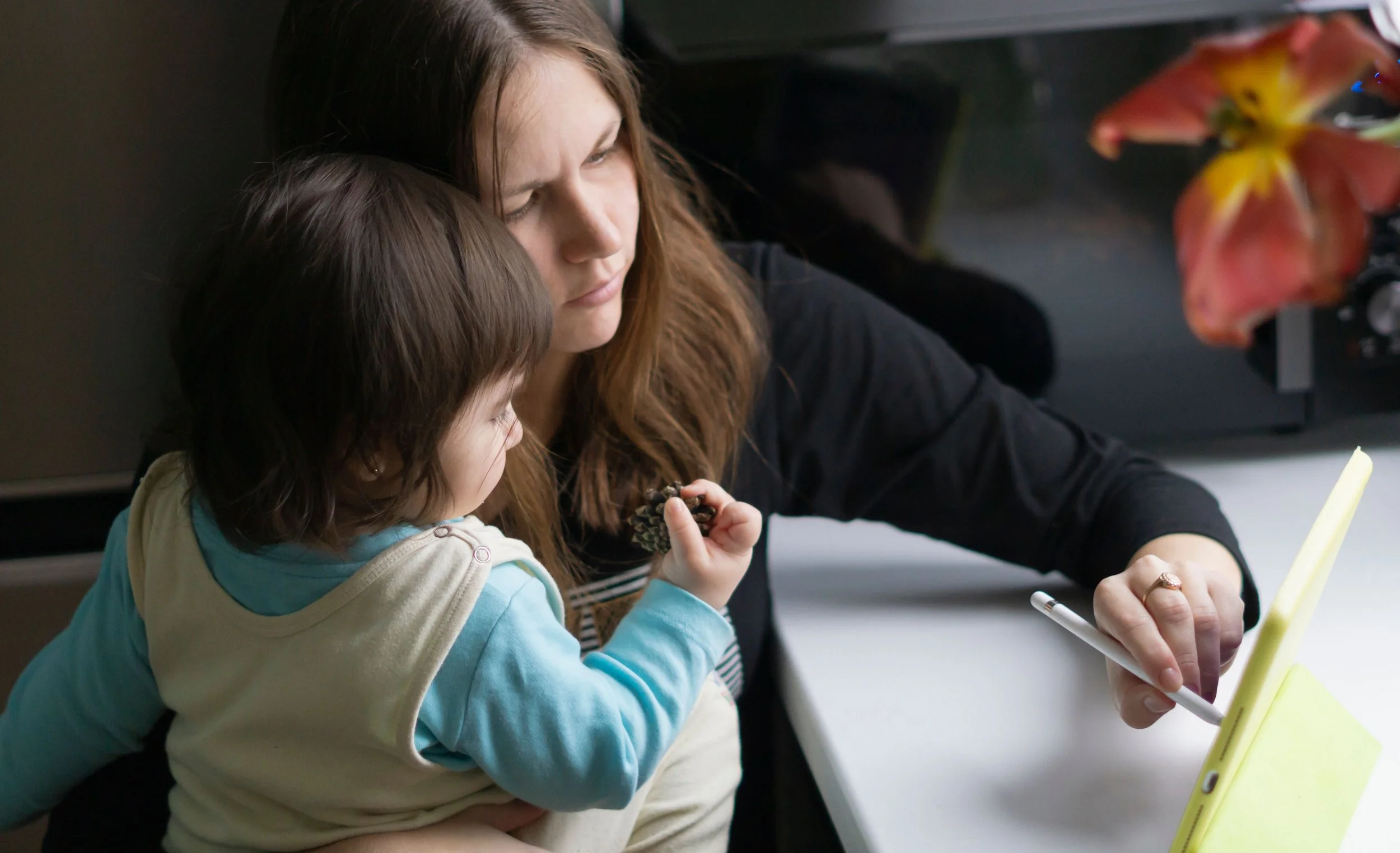
What Social Media Gets Wrong About ADHD in Early Childhood
A careful examination of the most common social media misconceptions about ADHD in early childhood and what the evidence actually shows.

The Difference Between a School Evaluation and a Private Psychological Assessment
A school evaluation and a private psychological assessment serve different purposes, and understanding both helps families choose the right path for their child.
How Children Understand Death at Different Developmental Stages
A child's understanding of death develops in stages shaped by cognitive maturity and experience, and knowing that trajectory helps families make sense of a child's questions and reactions.

Building Independence in Children Who Need Extra Support
A research-informed look at how parents can scaffold independence in children who need extra support, balancing developmental readiness with realistic life-skill goals.

Supporting Transitions for Anxious Children
For children with anxiety, transitions activate the nervous system's threat response even when the situation is objectively safe, making routine changes feel overwhelming in ways that are physiologically real.
Helping Children Tune Into Their Body's Signals
Interoception, the ability to perceive internal body signals like hunger, temperature, heart rate, and muscle tension, plays a foundational role in children's emotional regulation, self-awareness, and mental health.

When Your Strong-Willed Child Is Showing Leadership Skills
Research increasingly links strong-willed temperament traits in childhood to leadership capacity in adulthood, reframing what many parents experience as defiance into early indicators of persistence, autonomy, and conviction.

Supporting Your Family Through Seasonal Changes
Seasonal transitions affect family dynamics in ways that extend well beyond weather, influencing mood, behavior, sleep, and relational patterns across every age group.

Responsive Parenting for Different Types of Children
Effective parenting requires adapting your approach to match your child's particular temperament, sensory needs, and neurological profile rather than applying universal strategies.

Demystifying Diagnostic Assessments
Demystifying diagnostic assessments and helping parents navigate the evaluation process with clarity, preparation, and realistic expectations.

The Benefits of Strong-Willed Kids
Strong-willed children possess remarkable qualities like determination, independence, and passion that, when properly nurtured, become their greatest strengths and leadership abilities.

Supporting Emotional Regulation Through Developmental Assessments
Developmental assessments provide crucial insights into the underlying factors that influence a child's emotional regulation, moving beyond surface behaviors to create targeted support strategies.

Replacing Punishment with Problem Solving in Parenting
Every parent wants the best for their child, but in moments of chaos, yelling, time-outs, or grounding can seem like the only way to manage behavior. But have you ever asked yourself: Is punishment truly teaching my child what they need to learn?

The Intersection of Child Development and Behavior Regulation
You’re in the checkout line. Your toddler is screaming because you won’t buy the candy. You can feel the eyes on you — and maybe even the shame creeping in. You wonder, “Why can’t they just behave?”

Responsive Parenting and the Art of Repairing Relationships
No matter how much we love our children, there will be moments when we lose our patience, raise our voice, or respond in ways we regret. The good news? Perfect parenting isn’t the goal—repair is.

Activities That Support Executive Functioning
Have you ever wondered why some kids seem to handle routines, problem-solving, and self-control with ease, while others struggle? The answer often lies in executive functioning—the brain’s ability to plan, focus, remember instructions, and manage multiple tasks. These skills don’t just develop on their own; they grow through practice.

Supporting Highly Sensitive Kids in a Fast-Paced World
In today’s fast-moving, always-on world, raising a highly sensitive child can feel like an uphill battle. Bright lights, loud noises, packed schedules, and social expectations can quickly become overwhelming for kids who deeply feel and process everything around them.

The Power of Co-Regulation: A Parent’s Role in Emotional Development
Have you ever watched your child meltdown over something small and felt your own frustration rise with theirs? It’s a natural reaction—big emotions can be overwhelming for both kids and parents. But here’s the good news: you don’t have to fix every problem or stop every tear.

Building Emotional Regulation Skills Through Play and Connection
Emotional regulation is one of the most important life skills a child can develop—but it doesn’t come naturally. Tantrums, meltdowns, and outbursts are all part of the process as kids learn to recognize, express, and manage their feelings. The good news? They don’t have to do it alone.

Unraveling the Overlap in Childhood Anxiety and ADHD Diagnoses
Parenting is a journey full of questions, especially when it comes to understanding your child’s unique needs. For children with ADHD, the road to diagnosis can sometimes be more complex than it seems. Anxiety, a common coexisting condition, can mask or alter the way ADHD presents itself, especially in structured settings like school.