

Demystifying Diagnostic Assessments
Written By: Everyday Parenting
It starts with a conversation at school, or a pediatrician's recommendation, or perhaps just a growing sense that something feels different about how your child is developing. Suddenly, you're scheduling a "comprehensive evaluation," and you have more questions than answers. What will they do with your child? How long will it take? What if they miss something important? What if they reach the wrong conclusions?
Sound familiar? The truth is, professional evaluations can feel intimidating for parents, but understanding what to expect and how to prepare can transform the experience from overwhelming to empowering.
Why Diagnostic Evaluations Matter
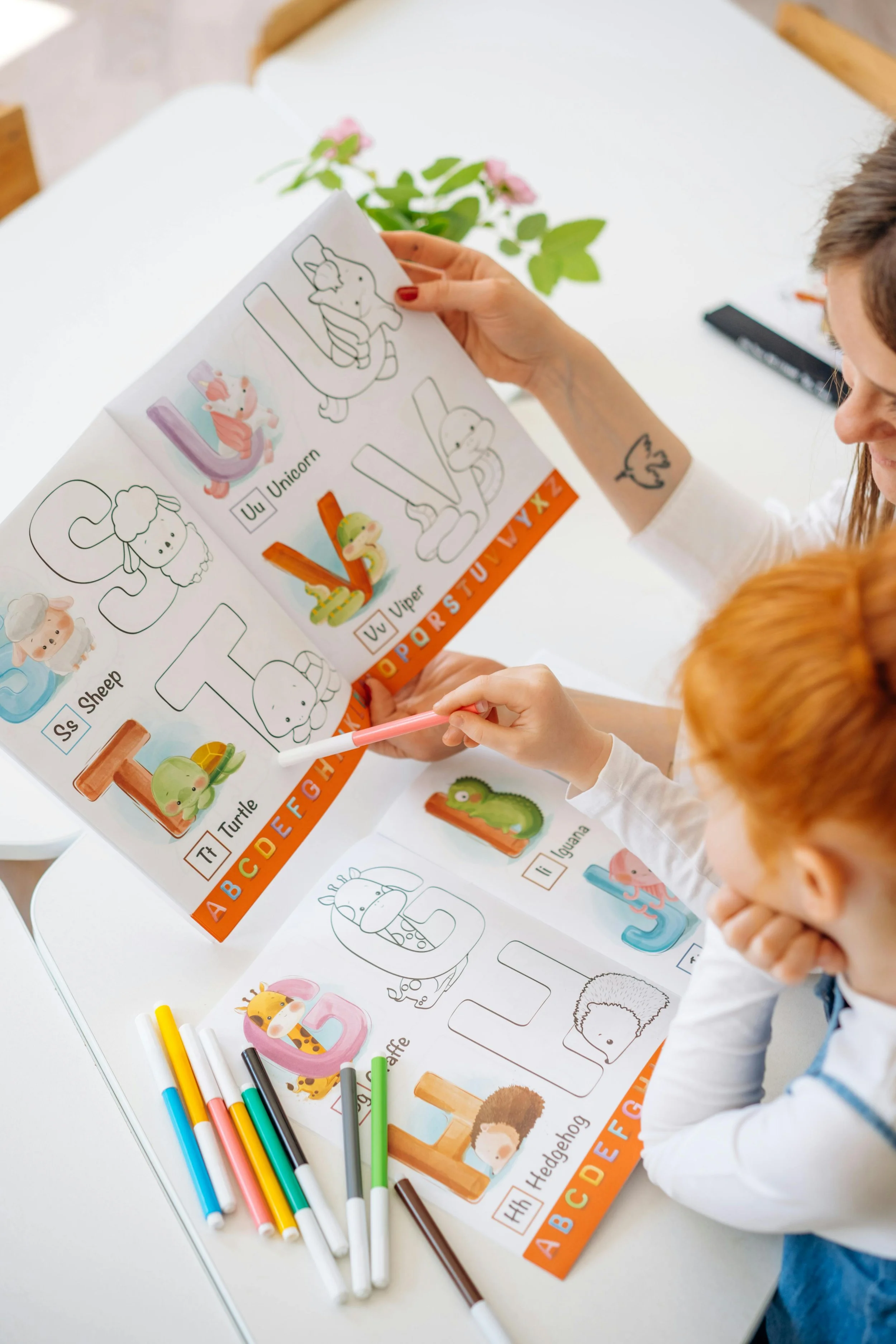
Professional evaluations aren't just about getting a diagnosis; they're about gaining a comprehensive understanding of how your child experiences the world. When families pursue evaluations, they're often seeking clarity about challenges they've observed, validation that their concerns are real, or guidance about how to best support their child's development.
A thorough developmental assessment provides a roadmap for intervention. It identifies specific areas where your child might need support, highlights their strengths that can be leveraged for learning, and offers concrete recommendations for home, school, and therapeutic settings. This information becomes essential for advocating effectively within educational systems and accessing appropriate services.
Evaluations also help differentiate between overlapping conditions that can look similar on the surface. Anxiety and ADHD, for example, share many behavioral presentations but require different approaches to support. Understanding the specific nature of your child's challenges prevents years of ineffective interventions based on incorrect assumptions.
Perhaps most importantly, evaluations provide families with a shared language for understanding and discussing their child's needs. When parents, teachers, and therapists all understand the same underlying factors affecting a child's behavior and learning, collaboration becomes more effective and productive.
The information gathered during evaluations also establishes a baseline for measuring progress over time. As your child grows and interventions are implemented, having clear documentation of where they started allows everyone to see what's working and what needs adjustment.
Understanding What Gets Evaluated
Professional evaluations assess multiple domains of functioning to create a complete picture of how your child is developing. Rather than looking at isolated skills, comprehensive assessments examine how different areas of development interact and influence each other.
Assessments measure how children process information, solve problems, and learn new material. This includes examining working memory, processing speed, reasoning abilities, and overall intellectual functioning. Understanding these cognitive patterns helps explain why certain types of learning might feel easier or harder for your child.
For school-age children, testing looks at specific skills in reading, writing, and mathematics compared to what's expected for your child's age or grade level. The gap between cognitive ability and academic achievement often reveals learning disabilities that have been masked by other strengths or compensatory strategies.
At any age, assessments examine how children plan, organize, initiate tasks, maintain focus, shift between activities, and regulate their behavior. These skills affect everything from completing homework to managing emotions, and deficits in this area often underlie struggles that look like behavior problems. Executive functioning impacts daily life across multiple settings.
Evaluations assess how children understand and manage their emotions, navigate relationships, and cope with stress and challenges. This domain often reveals anxiety, depression, or social difficulties that impact functioning across settings.
Measures examine how children manage daily life skills like self-care, communication, and practical problem-solving. Sometimes children have strong cognitive abilities but struggle with the practical application of skills in real-world situations, and understanding this gap is crucial for effective support.
Throughout the evaluation, observations provide context for interpreting test results. How children approach challenging tasks, respond to frustration, interact with the evaluator, and manage the demands of testing offers valuable information beyond what scores alone reveal.
The Evaluation Process
Understanding the typical structure of an evaluation helps reduce anxiety for both parents and children. While specific procedures vary depending on the referral questions and the child's age, most comprehensive evaluations follow a similar pattern:
Parent Interview
The process typically begins with a discussion of your concerns, your child's developmental history, family medical history, and current functioning across different settings.
Classroom Observation
Considered the “gold standard” in comprehensive evaluations, a classroom observation yields important information about how your child navigates expectations, routines, and peer interactions in a way that cannot be observed in the 1:1 testing situation with an examiner. The observation includes a conversation with the teacher, offering an invaluable perspective.
Direct Testing with Your Child
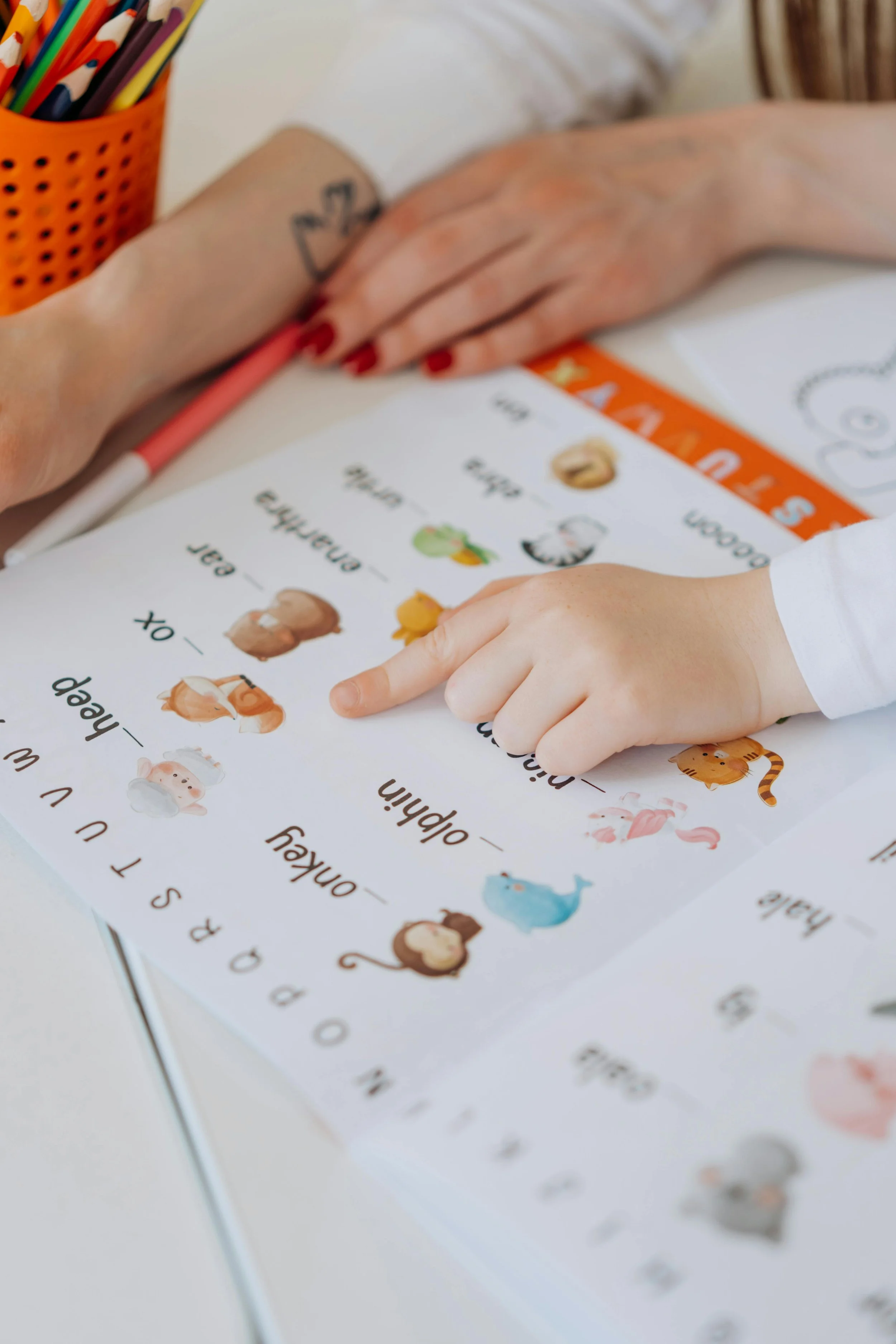
Testing usually occurs over one or more sessions, depending on the child's age, attention span, and the breadth of the evaluation. Your evaluator can provide an estimate of the total number of hours needed to gain a comprehensive picture of your child.
Questionnaires and Rating Scales
Many evaluations include forms for parents and teachers to complete, gathering information about behavior and functioning in different settings that might not be apparent during the testing session itself. These tools allow the evaluator to compare your child’s development and performance to age-based norms.
Data Analysis and Report Preparation
After all information is gathered, the evaluator analyzes the data, integrates findings across different assessment tools, and prepares a comprehensive report. This typically takes several weeks, though some evaluators give oral feedback sooner.
Feedback Session
The evaluation concludes with a meeting where the evaluator explains findings, answers questions, discusses diagnostic conclusions, and reviews recommendations. Parent coaching can help you process and implement these recommendations effectively.
Preparing Your Child for the Evaluation
How you prepare your child can significantly impact their experience and the validity of the results. The goal is to help them feel comfortable and motivated to do their best without creating anxiety about the process.
Keep explanations simple and concrete. You might say, "We're going to meet someone who plays special games and asks questions to learn about how your brain works best. This helps us figure out how to make school easier for you."
Slightly more detailed explanations work well, emphasizing the positive purpose of evaluation. "The doctor is going to do some activities with you to understand what kinds of learning are easy for you and what kinds are harder. This helps teachers know the best ways to help you." Frame it as gathering information rather than passing or failing.
For school-age children, honest conversations that respect their growing awareness work best. Acknowledge that some parts might feel challenging, and that's okay; the evaluator expects a range of performance. Emphasize that the goal is understanding their learning style and getting them appropriate support, not labeling or limiting them.
Regardless of age, ensure your child gets adequate sleep the night before testing and eats a good meal beforehand. Physical comfort and alertness significantly affect performance. If your child takes medication for ADHD or other conditions, consult with the evaluator about whether to administer it on testing days, as this decision depends on what the evaluation is assessing.
Speak to the evaluator in advance if you would like to bring items that help your child feel comfortable, like a favorite stuffed animal for younger children or headphones for those who are easily overstimulated. Most evaluators welcome these supports as long as they don't interfere with testing procedures.
Understanding Different Types of Evaluations
Not all evaluations assess the same things, and understanding the different types helps you know what to request based on your concerns:
Psychoeducational Evaluations
These assess cognitive abilities, academic achievement, and learning processes. Typically requested when children struggle academically and there's concern about learning disabilities.
Neuropsychological Evaluations
These take a broader look at brain-based functioning, including memory, attention, executive functioning, visual-spatial skills, and processing speed. Often recommended when there are complex learning profiles and/or suspected neurodivergence.
Developmental Evaluations
These focus on younger children, assessing whether development is progressing typically across domains like motor skills, language, cognition, and social-emotional development.
Autism Evaluations
These specifically assess social communication, restricted interests, sensory processing, and other features associated with autism spectrum disorder through parent interviews, standardized observations, and developmental history. Neurodiversity-affirming therapy approaches these evaluations from a strengths-based perspective.
ADHD Evaluations
These examine attention, impulse control, hyperactivity, and executive functioning across multiple settings, including rating scales from multiple observers and evaluation of how attention difficulties impact daily functioning.
Targeted Assessments
Some families need more focused evaluations, like speech and language assessments examining communication and literacy skills, or occupational therapy evaluations assessing fine motor skills, sensory processing, and daily living skills.
Understanding what type of evaluation addresses your specific concerns helps you request appropriate services and ensure you're gathering the information needed for meaningful intervention planning.
Implementing Recommendations and Next Steps
An evaluation is most valuable when its recommendations are translated into real changes that support your child's functioning. This implementation phase requires advocacy, coordination, and often persistence.
Request a meeting with your child's educational team to discuss how findings inform instruction and support. Bring the evaluation report, highlight specific recommendations relevant to the classroom, and work collaboratively to identify feasible accommodations and modifications. Often, the evaluator will attend and help translate their findings to the educational team.
If the evaluation recommends therapy services, research providers who specialize in your child's specific needs. Ask about their experience with the identified challenges and ensure they can work within your schedule and location constraints. Starting services promptly while motivation is high makes a difference. Child therapy can address many of the concerns identified in evaluations.
Recommendations might include environmental modifications like creating organized homework spaces, implementing visual schedules, or reducing sensory overwhelm. Routine adjustments that support attention, organization, or emotional regulation, and communication strategies that account for your child's processing style and needs all contribute to daily functioning.
Some recommendations require ongoing monitoring and adjustment. What works initially may need modification as your child develops, and staying in contact with professionals helps you refine approaches over time.
Consider joining support groups for families dealing with similar challenges. Connecting with other parents who understand your experience provides practical strategies, emotional support, and reduced isolation. Family therapy can also help everyone adjust to new understandings and ways of supporting your child.
Conclusion
Professional evaluations can feel daunting, but they serve as powerful tools for understanding your child's unique profile and creating effective support systems. When families approach evaluations with preparation and realistic expectations, the process becomes less overwhelming and more productive.
The goal isn't to find what's wrong with your child but to understand how they learn, process, and experience the world. This understanding informs everything from educational planning to therapeutic interventions to daily family routines. With clear information and appropriate support, children can develop strategies that build on their strengths while addressing genuine challenges.
Remember that an evaluation is a beginning, not an ending. The insights gained open doors to targeted support, informed advocacy, and a deeper understanding of your child's needs. As you move forward with recommendations, be patient with the process and gentle with yourself and your child as you implement new approaches.
At Everyday Parenting, we believe in empowering families to create meaningful connections and navigate challenges with compassion and confidence. Whether you're seeking strategies to address specific behaviors or simply want to strengthen your family bond, we’re here to support you every step of the way. Contact us today to learn how our evidence-based approaches can help your family thrive.
