


Our Blog

Letting Go of Summer as a Parent
The close of summer is not only a logistical shift but an emotional transition, and the psychology of endings explains the quiet ache that often accompanies it.

What Intergenerational Trauma Actually Means and What It Doesn't
Intergenerational trauma is a real and documented phenomenon, but the term is frequently used in ways that go beyond what the evidence supports, and that gap matters clinically.
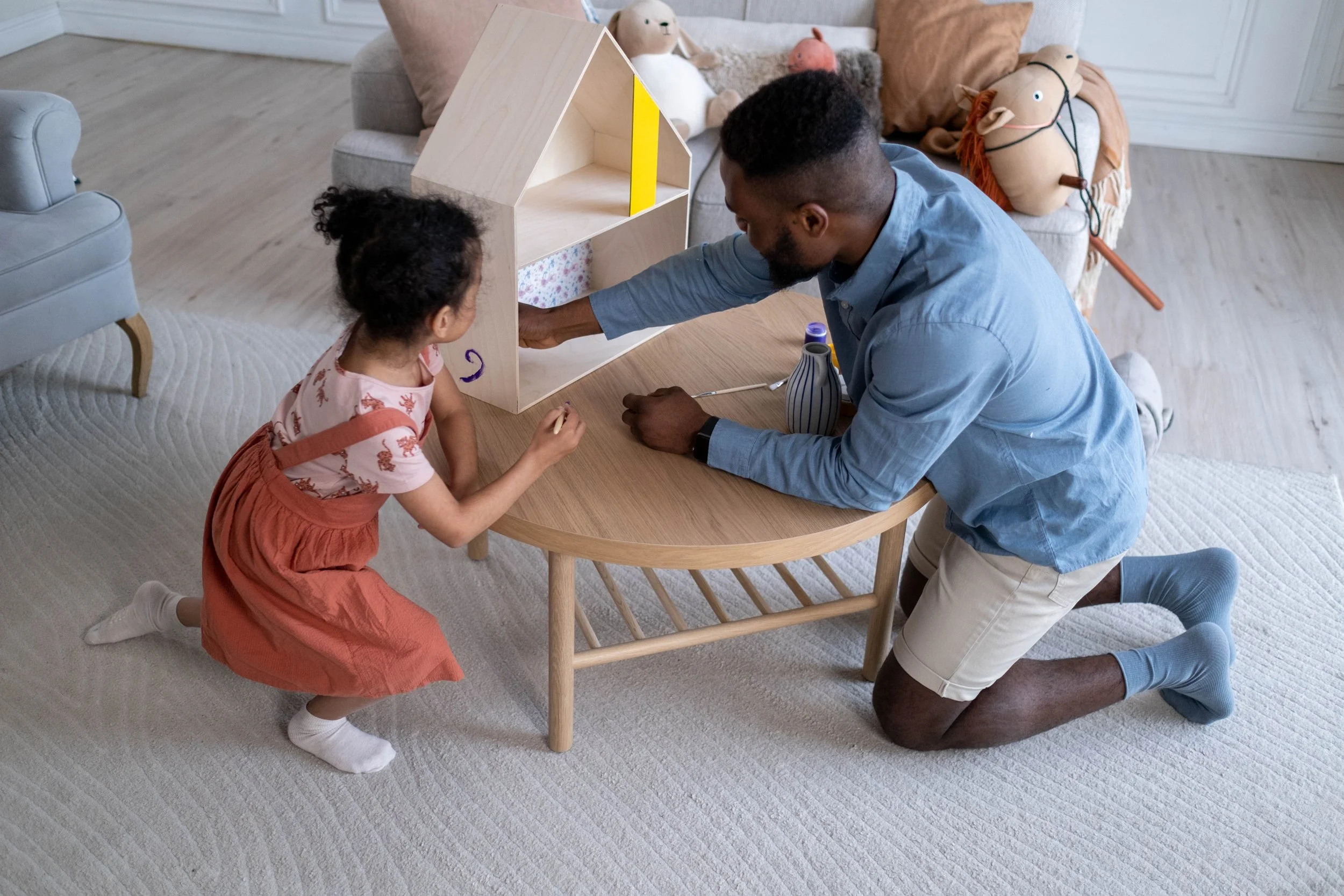
The Paternal Brain: What Research Reveals About Fathers and Mental Health
Fatherhood produces measurable changes in the brain and carries a real risk of depression and anxiety, yet paternal mental health remains largely absent from the support and screening built around new parents.
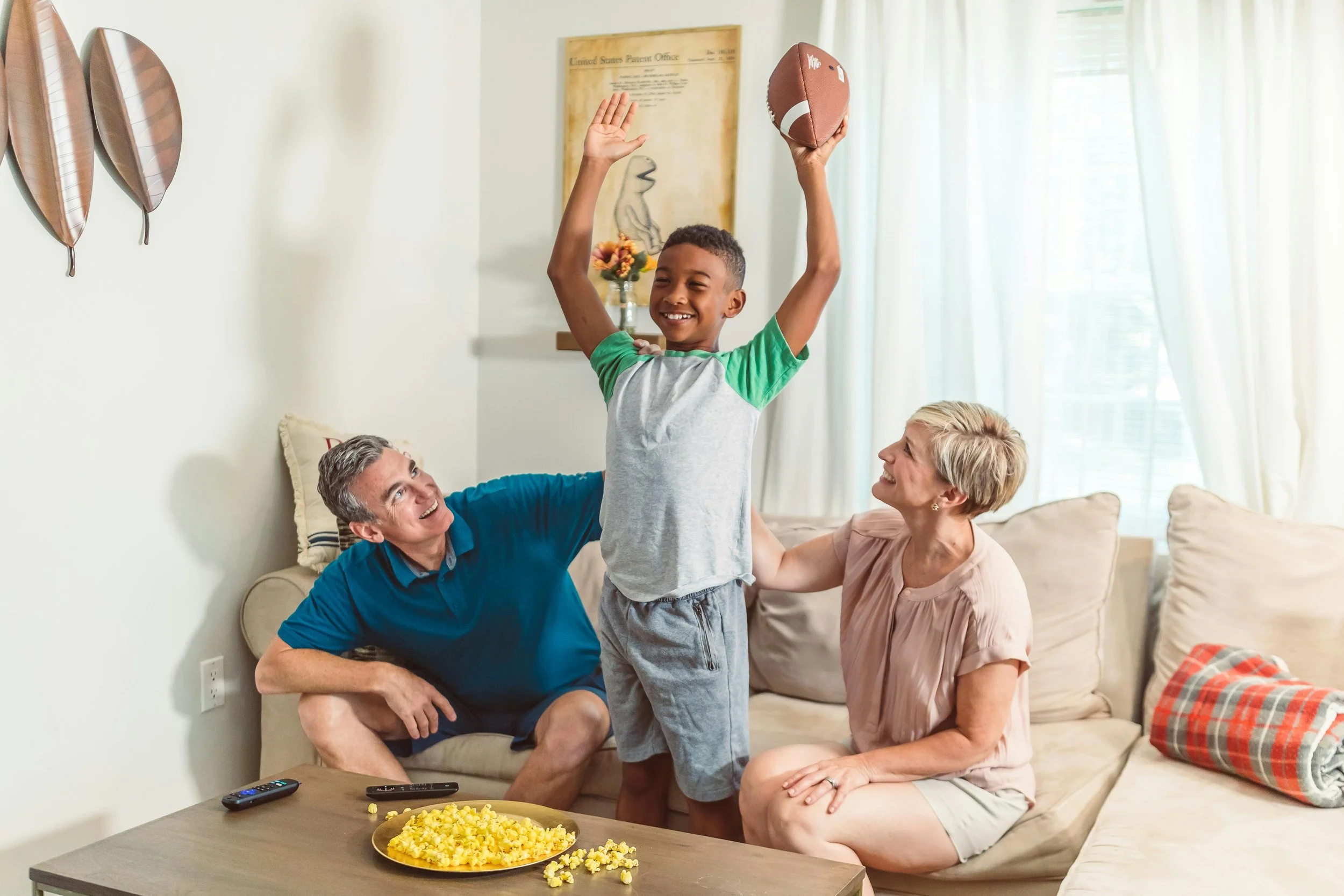
Connecting With School-Age Children Through Their Interests
Research and clinical perspective on why school-age children's interests are a doorway to connection, and how parents can show up well in those spaces.
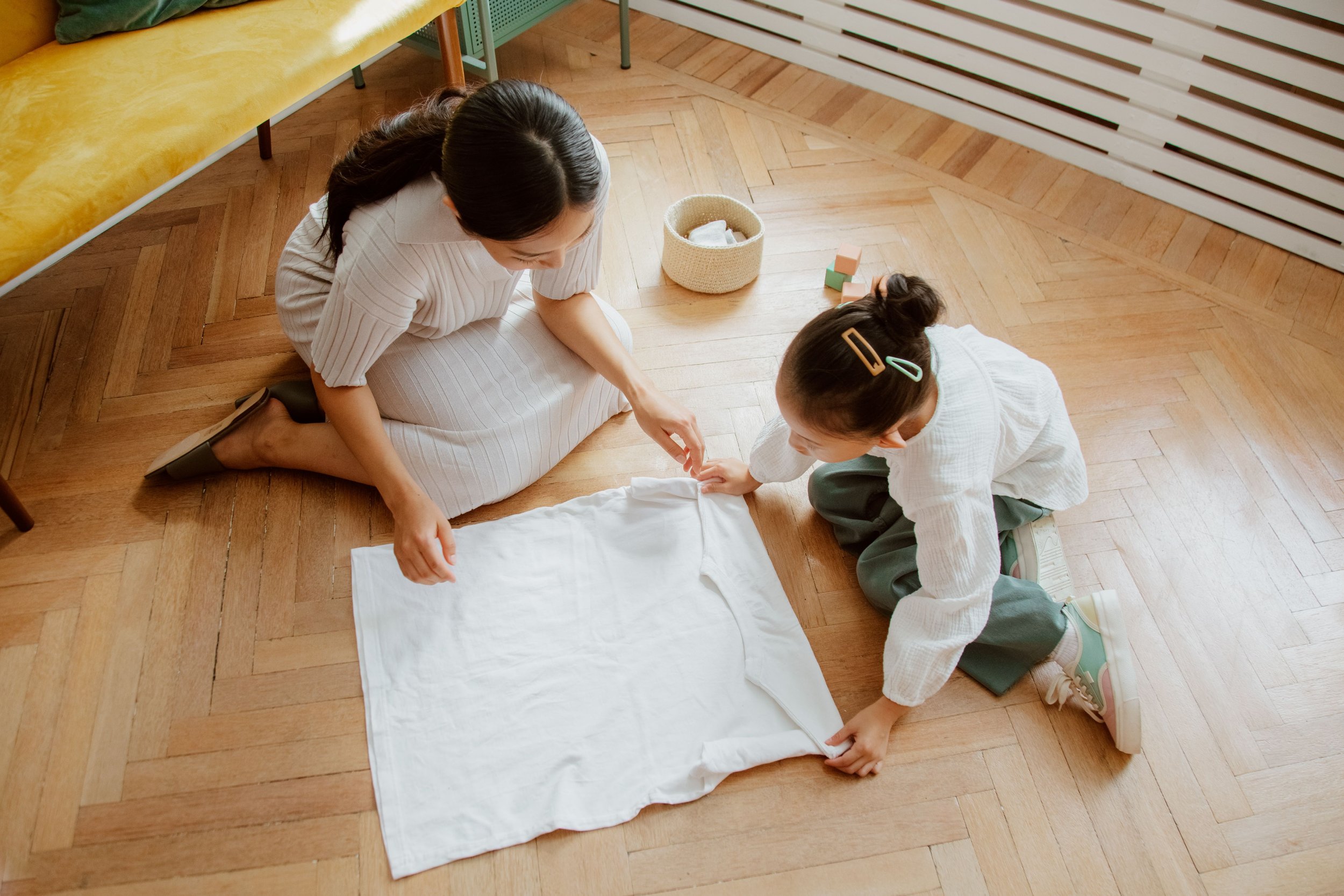
Building Independence in Children Who Need Extra Support
A research-informed look at how parents can scaffold independence in children who need extra support, balancing developmental readiness with realistic life-skill goals.

Methods for Getting Better Sleep to Address Parenting Stress
Chronic sleep disruption in parents is linked to increased irritability, impaired decision-making, and heightened stress reactivity, yet it remains one of the most under-addressed factors in parenting support.
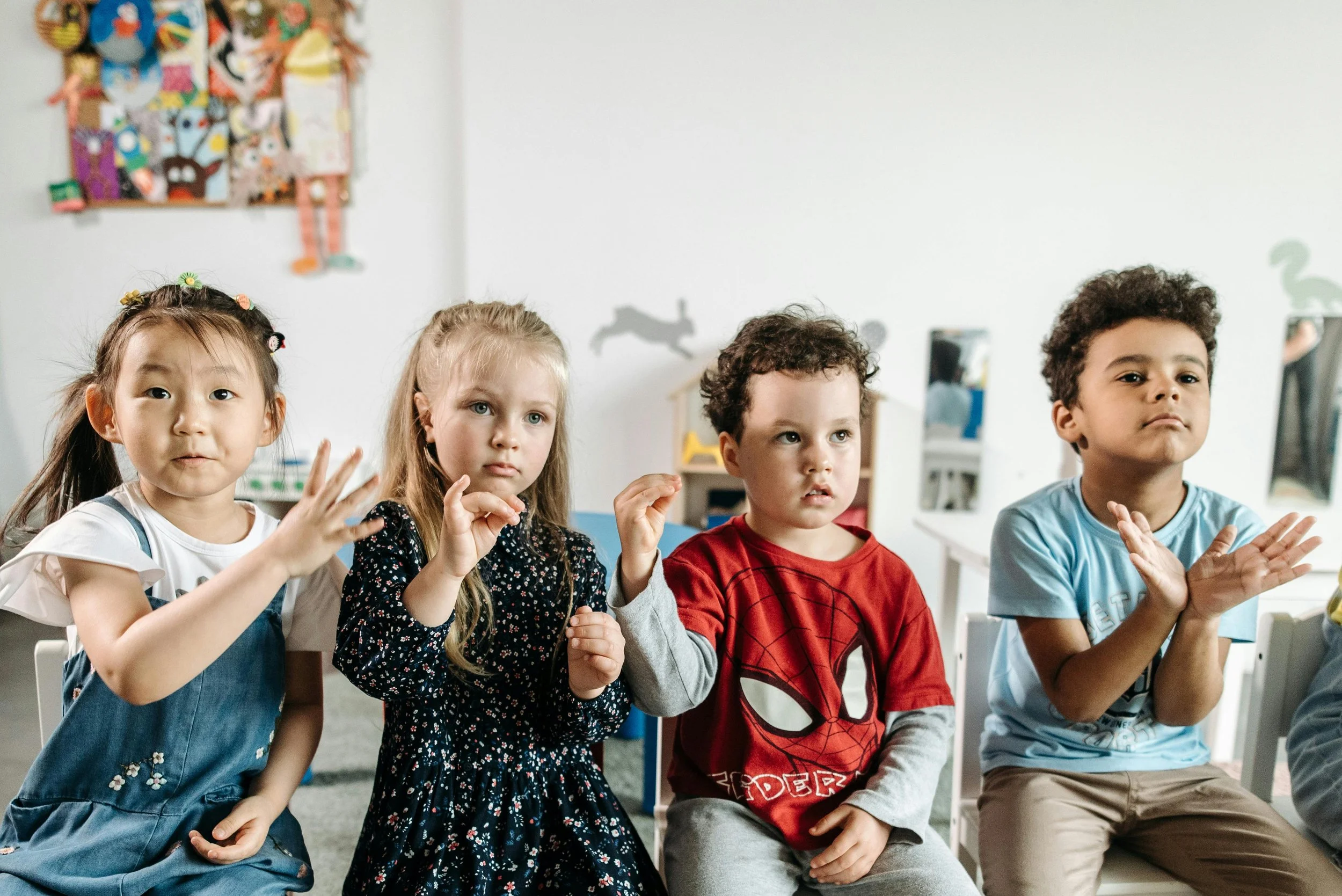
Helping Children Tune Into Their Body's Signals
Interoception, the ability to perceive internal body signals like hunger, temperature, heart rate, and muscle tension, plays a foundational role in children's emotional regulation, self-awareness, and mental health.

When Your Strong-Willed Child Is Showing Leadership Skills
Research increasingly links strong-willed temperament traits in childhood to leadership capacity in adulthood, reframing what many parents experience as defiance into early indicators of persistence, autonomy, and conviction.

Emotional Regulation Tools for the Whole Family
Emotional regulation is a family-wide ability shaped by the interplay between each member's nervous system, developmental stage, and the relational patterns in the household.

Rediscovering Joy and Purpose as a Parent
Joy in parenting is not a constant state but a recoverable ability that depends on relational, psychological, and environmental conditions.

When You Don't Like Being a Parent Right Now
Parental ambivalence - loving your children while not enjoying the experience of raising them - is more common than most parents are willing to admit and carries important clinical meaning.

Supporting Your Family Through Seasonal Changes
Seasonal transitions affect family dynamics in ways that extend well beyond weather, influencing mood, behavior, sleep, and relational patterns across every age group.

When Traditional Parenting Advice Falls Short
Understanding why traditional parenting advice often fails for certain families and how specialized, individualized support differs from generic social media guidance.

When One Child's Needs Impact Everyone
Strategies for managing family dynamics when one child requires significantly more support, with focus on protecting siblings from pressure to be problem-free.
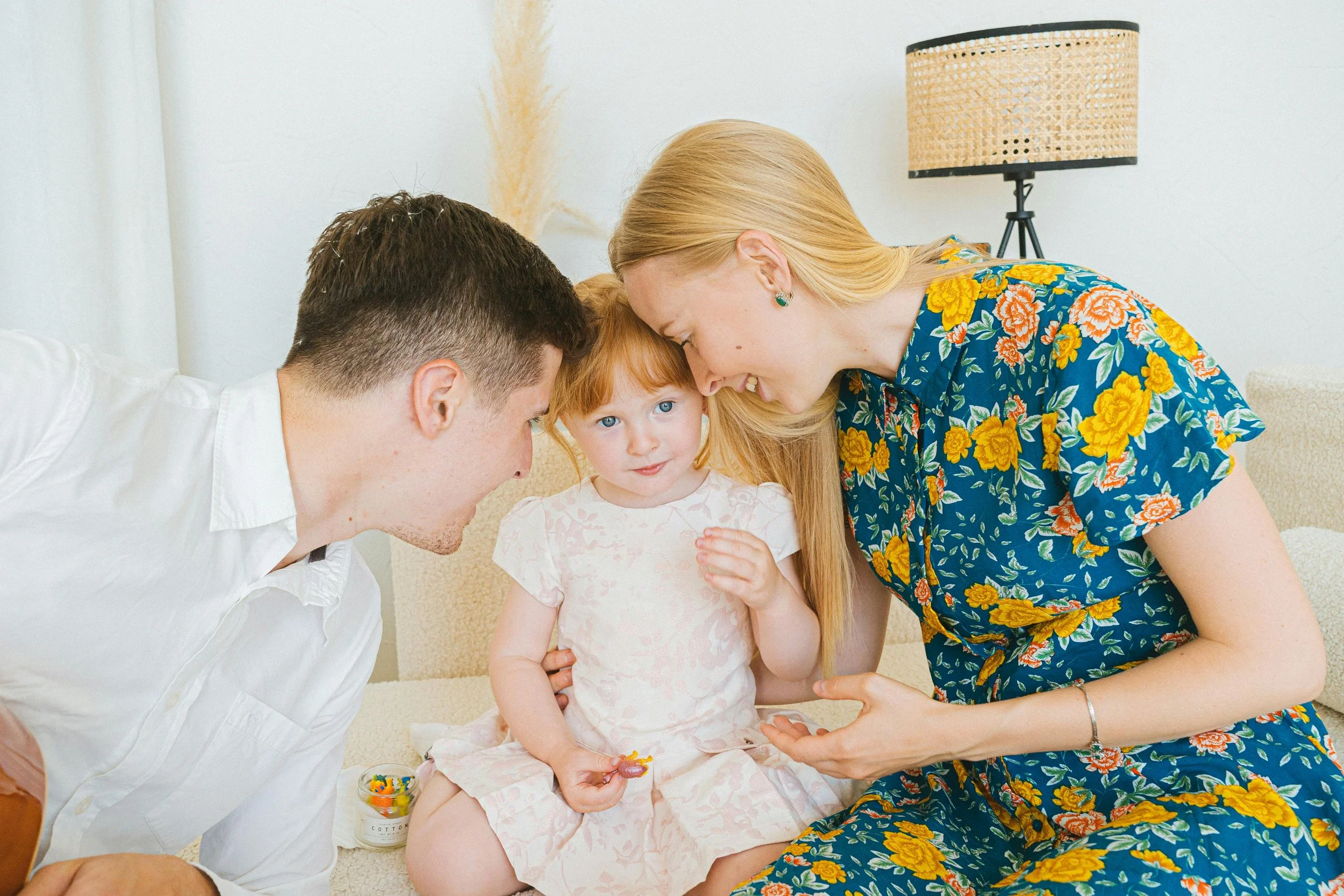
Reconnecting with Your Child After a Stressful Week
Practical strategies for repairing parent-child connection after stressful periods, with emphasis on presence, acknowledgment, and age-appropriate approaches.
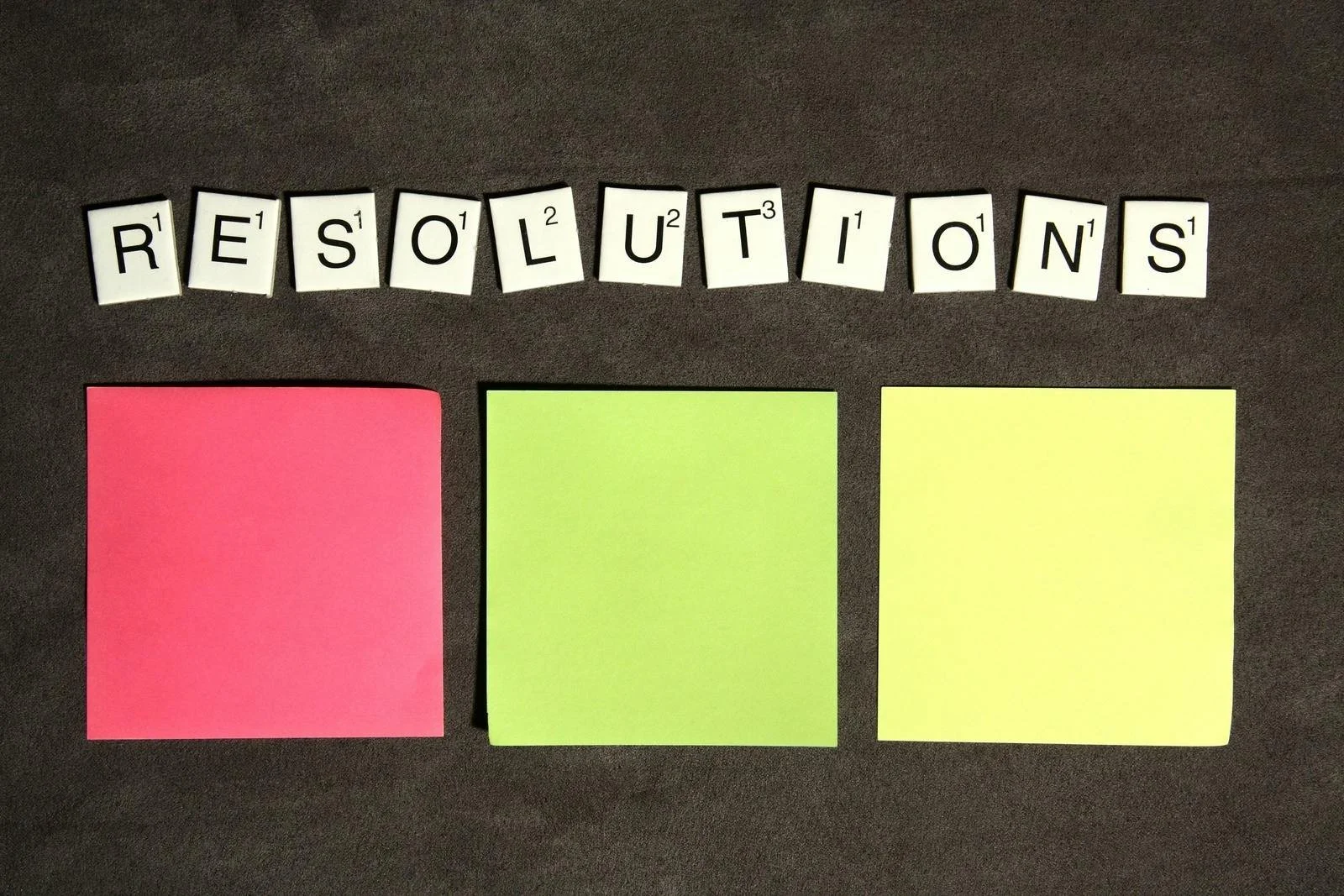
Why Some Parents Are Skipping Resolutions This Year
Rejecting productivity culture in favor of sustainable change that honors the realities of parenting without adding shame or impossible expectations.

End-of-Year Reflection: What Worked, What Didn't, and Moving Forward
Honest assessment of your parenting year without judgment, focusing on growth, learning, and moving forward with intention and self-compassion.

Setting Boundaries During Family Gatherings
Protecting your family's well-being during high-demand social situations by setting clear, compassionate boundaries with extended family.
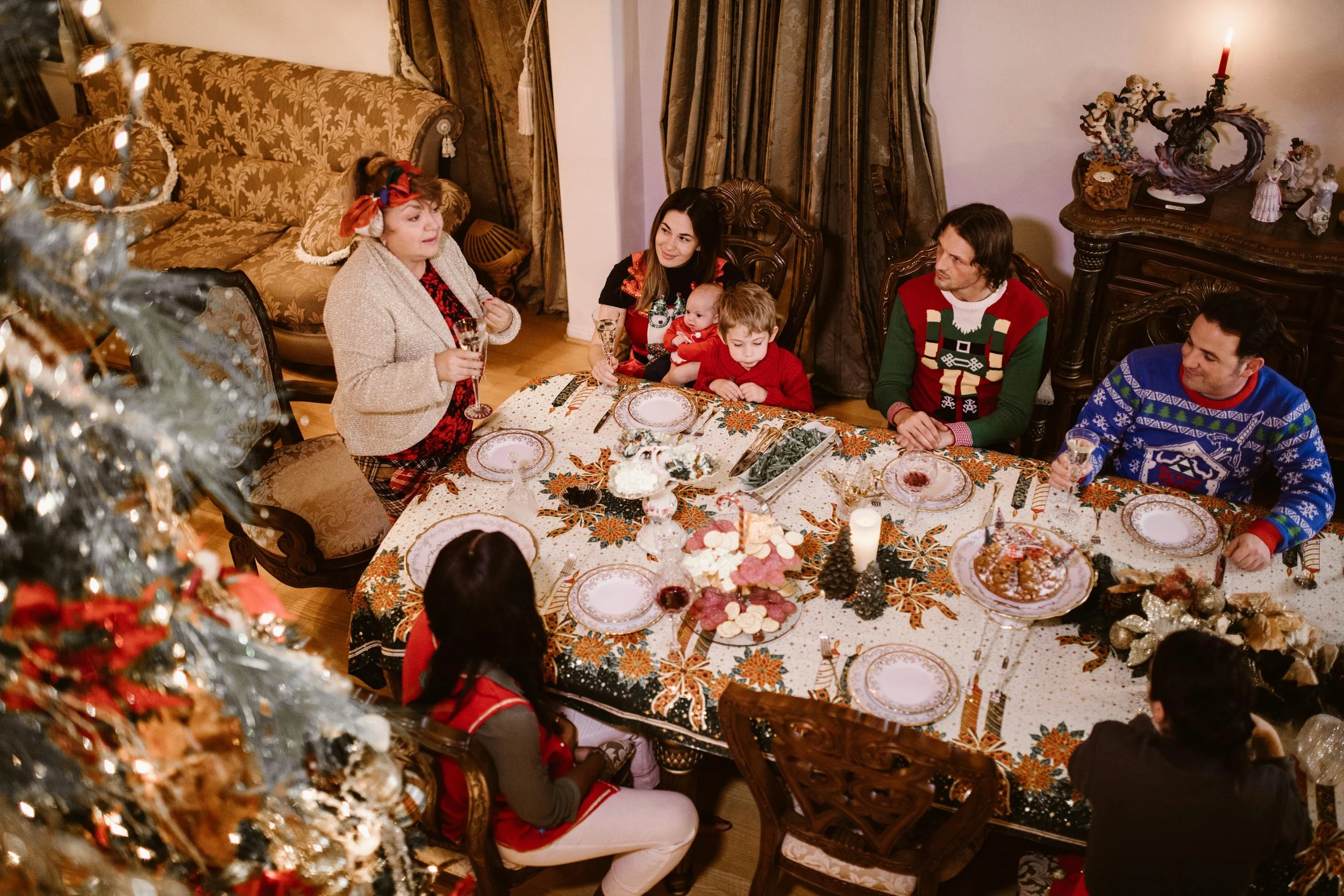
Managing Your Own Expectations and Emotions During the Holidays
Addressing the gap between holiday ideals and reality by managing parental expectations and emotions with compassion and practical strategies.

Creating Holiday Traditions That Actually Fit Your Family
Breaking free from inherited expectations to create holiday traditions that genuinely reflect your family's values, energy, and needs.