

Letting Go of Summer as a Parent
Written By: Dr. Jeanette Sawyer-Cohen
One week the days are loose and the evenings are long, and the next there are forms to sign, alarms to set, and a rhythm that snaps back into place.
Most conversations about this transition treat it as a matter of logistics. Underneath the logistics, though, many parents notice something quieter and harder to name: a reluctance to let the season go. This piece looks at why the close of summer can carry real emotional weight, and what the psychology of transitions helps us understand about it.
Summer as More Than a Season
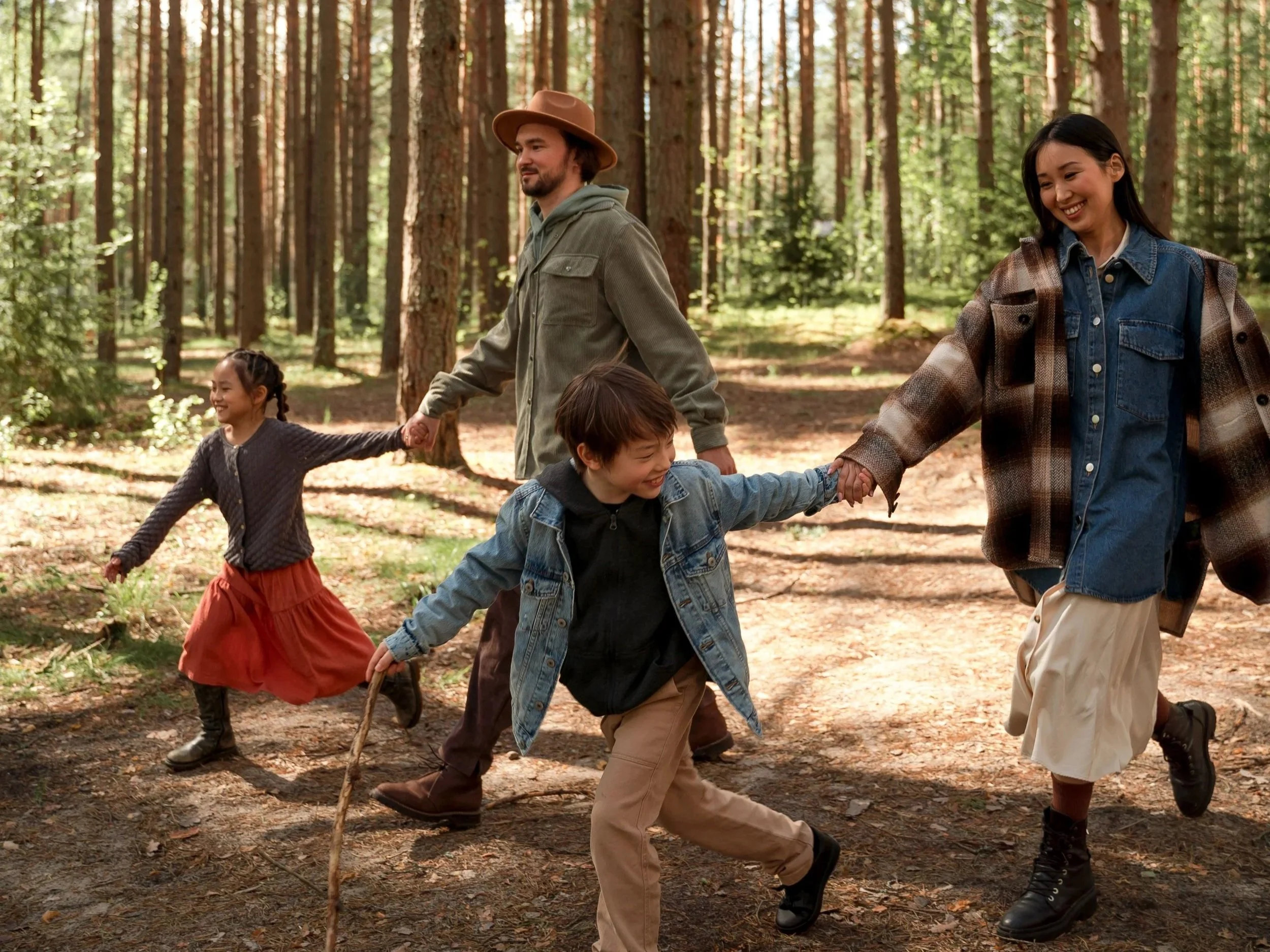
For families, summer often represents a different mode of being together. Whatever the specifics, whether the months held camp, travel, or simply a slower version of ordinary life, the season tends to loosen the usual structure. Mornings are less scripted, there is more unplanned time, and often more of the kind of connection that gets crowded out when the year is full.
For families with children at sleepaway camp, many parents experience anxiety around the separation, relief at the quiet, an adjustment to the increased adult time, and sometimes guilt at not being more productive. Acknowledging such patterns can help us head into the following summer season with intentionality around expectations, armed with knowledge of what worked and what didn’t.
When summer ends, a family is not only changing its schedule. There is a bodily dimension to the change as well, since the returning structure reintroduces early alarms and a quicker daily tempo, and the body tends to register that shift before the mind has made peace with it. Treating this as a genuine adjustment, rather than a matter of willpower, usually makes it easier to move through.
It is worth saying that this reluctance is not the same as ingratitude for the year ahead. A parent can look forward to the return of routine, the reengagement of school, and the structure that genuinely benefits children, and still feel a pang at what is ending. Two things can be true at once, and naming both tends to defuse the guilt that sometimes attaches to missing a season one was also, in some ways, ready to see conclude.
Why the End of Summer Lands Emotionally
The reluctance many parents feel is not sentimentality for its own sake. Several distinct pressures tend to converge at once, and naming them individually makes the overall heaviness easier to understand.
1. The Loss of Unstructured Time
The open hours of summer allow for a kind of ease that the structured year does not, and giving that up is a genuine loss rather than a trivial one.
2. A Shift in Family Rhythm
The return to schedules changes how a family moves through the day, often reducing the shared, unhurried moments the season made room for.
3. The Weight of Comparison
The end of a season invites a mental accounting of whether it was spent well, and that reckoning can arrive laden with a sense of what should have happened.
4. An Awareness of Time Passing
Summers are one of the clearest markers of how quickly children grow, and each ending quietly registers that another year has moved on.
5. The Return of the Logistical Load
The mental work of managing a full calendar resumes, and the contrast with the preceding weeks can feel abrupt.
Any one of these would be manageable on its own. Arriving together, they explain why an ordinary seasonal change can land with unexpected heaviness.
The Shoulds That Attach to Summer
Few seasons collect as many expectations as summer does. There is a pervasive cultural script about what the months are supposed to hold, and it tends to surface most loudly at the end, when a parent looks back and measures the season against an ideal. The trips that were not taken, the projects left undone, the slower version of oneself that never quite materialized: these comparisons can turn a fine summer into a disappointing one in retrospect.
This is the same machinery of expectation we examined in our post on the shoulds of parenting, and it operates seasonally as much as it does day to day. A Responsive Parenting stance, which prioritizes connection and realistic expectations over performance, offers a steadier vantage point than the highlight reel that comparison tends to generate. Comparison has never been easier to fall into, either, as a steady stream of curated summers scrolls past on every screen, each one appearing more adventurous or more picturesque than one's own. What these images omit is the ordinary texture of any real season: the boredom, the friction, and the plans that quietly fell through. Releasing the scorecard is less about lowering standards than about recognizing that connection, not itinerary, tends to be what a child actually remembers.
What Psychology Tells Us About Transitions
The discomfort of ending summer is a specific instance of something well documented: human beings find transitions harder than either the state they are leaving or the one they are entering. A few consistent findings help explain why the in-between period feels so unsettled.
Transitions are liminal. The interval when one structure has ended and the next has not fully settled is inherently unsteady, and that instability is felt rather than merely thought.
Endings can carry ambiguous loss. Some losses have no ritual and no clear object to mourn, and the quiet end of a good season is one of them.
The mind resists change even when the change is neutral or positive, because familiar routines are efficient and disruption asks the system to expend energy.
Anticipation eases adjustment. Naming a transition before it arrives, rather than being caught by it, softens its impact.
Meaning-making helps. When a person can articulate what a period meant to them, they tend to move through its ending with less distress.
Taken together, these findings reframe the end of summer as a normal instance of a universal difficulty rather than a personal failing. The discomfort is information about how transitions work, not evidence that a parent is handling the change poorly.
The Grief Hidden in Ordinary Endings
It can feel excessive to use a word like grief for something as common as the end of a season. Yet a mild, recognizable grief is often exactly what is present. Part of what a parent mourns at summer's close is not only the season but the particular version of their child that inhabited it, since children change quickly and a summer often coincides with a visible developmental leap.
This awareness of time and change connects to the broader questions of self and role that we explored in exploring identity in midlife and in going beyond the shoulds in mid-life. Endings of this kind rarely receive acknowledgment, which is part of what makes them quietly difficult. There is no card for the close of a good summer and no ritual to mark it, and unnamed feelings tend to linger longer than named ones. Simply recognizing the ending as an ending, and allowing it a moment of attention, is often enough to let the feeling settle rather than trail on as a low background hum through the first weeks of the new season. Nostalgia itself, once dismissed as sentimentality, is now understood as a functional emotion that supports a sense of continuity, so the wistfulness that accompanies the end of summer is not a problem to be solved but a signal that the season mattered.
Moving Into the New Season
None of this calls for a program to follow. The more useful shift is one of understanding: recognizing that the heaviness has a source, that it is common, and that it does not indicate anything is wrong. The return to routine, for all the resistance it provokes, tends to steady a household in the end, because predictable structure is a different form of support rather than the opposite of summer's ease, and the hard part is almost always the threshold rather than the room on the other side of it.
When the return to structure feels genuinely depleting rather than simply bittersweet, that is worth attending to, since a difficult transition can compound an already full load. Our post on navigating parenthood when you are overwhelmed speaks to that experience directly, and the steadiness that supports children through change is the same co-regulation that helps a whole household settle into a new rhythm. For families who find seasonal transitions consistently hard, parent coaching offers a structured place to work through it, our post on transforming conflict into connection speaks to the friction a rushed return can produce, and support for emotional regulation can help when the shift stirs up more than expected. If this season feels heavier than you expected, reach out to learn how our team can support you.
At Everyday Parenting, we believe in empowering families to create meaningful connections and navigate challenges with compassion and confidence. Whether you're seeking strategies to address specific behaviors or simply want to strengthen your family bond, we’re here to support you every step of the way. Contact us today to learn how our evidence-based approaches can help your family thrive.