

EVERYDAY PARENTING PSYCHOLOGY, PLLC
What Is an ADOS Evaluation?
A Clear, Compassionate Parent's Guide to the Gold Standard in Autism Assessment
If you've started researching whether your child might be autistic, you've probably come across the term "ADOS" and then found yourself wading through clinical jargon, academic papers, and medical websites that raise more questions than they answer.
You may be wondering what actually happens during an ADOS evaluation, whether your child needs one, and how to tell if the clinician administering it truly knows what they're doing. That uncertainty can feel paralyzing, especially when you're also managing the emotional weight of seeking answers for your child.
The ADOS, or Autism Diagnostic Observation Schedule, is widely regarded as the gold standard in autism assessment. But the tool is only as valuable as the clinician using it. At Everyday Parenting Psychology, our evaluators are formally trained in ADOS administration and scoring, and they use it as one critical component within a broader, comprehensive assessment framework. We don't rely on a single instrument to define your child. We look at the whole picture, developmental history, behavioral observations, parent insights, and standardized measures, to arrive at a clear, accurate, and actionable understanding of your child's needs.
For families in New York City and Westchester County, finding a practice that combines clinical rigor with genuine warmth can be difficult. Everyday Parenting was built to be that place. Our clinicians specialize in evaluations for children from birth through age 12, and every assessment is conducted within a neurodiversity-affirming, trauma-informed framework. That means your child's experience during the evaluation matters just as much to us as the results. You deserve clarity, and your child deserves to be truly seen.
The Autism Diagnostic Observation Schedule, currently in its second edition (ADOS-2), is a semi-structured, standardized assessment designed to evaluate social communication, interaction, play, and restricted or repetitive behaviors.
It is considered the most widely validated observational tool for supporting an autism diagnosis across age groups and developmental levels. The ADOS-2 includes different modules selected based on a child's age and language level, ensuring that the activities and prompts are developmentally appropriate. For young children, this often looks and feels like structured play, an intentional design that allows clinicians to observe natural social behaviors in a comfortable setting.
During an ADOS evaluation at Everyday Parenting Psychology, your child will spend time one-on-one with a trained clinician who engages them through conversation, play scenarios, and interactive activities.
The clinician is observing specific aspects of your child's communication, social cueing, imaginative play, and transition management. These observations are then scored according to standardized criteria. Parents are typically not in the room during the ADOS itself, but your input is gathered extensively through developmental interviews, questionnaires, and a detailed review of your child's history, because no one knows your child better than you.
It is important to understand that the ADOS alone does not produce a diagnosis. At Everyday Parenting, the ADOS is embedded within a comprehensive evaluation process that includes cognitive and adaptive functioning assessments, sensory processing observations, and clinical interviews. This multi-measure approach ensures that our conclusions are nuanced, accurate, and deeply informed. We do not rush to label; we work to understand.
Our evaluations result in a thorough written report that includes not only diagnostic impressions but also individualized, practical recommendations for school accommodations, therapeutic supports, and strategies families can implement at home. For families navigating the New York City Department of Education or Westchester County school systems, our reports are designed to be actionable within those specific contexts, supporting IEP meetings, CPSE or CSE referrals, and access to services your child may need.
Schedule Your Child's ADOS Evaluation Today
Key Benefits
-
Not every clinician who administers the ADOS has received formal, standardized training in the instrument, and that distinction matters more than most parents realize. The ADOS-2 is a powerful tool, but its reliability depends entirely on the skill, training, and clinical judgment of the person using it. Subtle differences in how prompts are delivered, how responses are coded, and how module selection is determined can significantly affect the accuracy of results. A clinician without proper training may miss nuanced presentations, particularly in children who mask or who present differently from stereotypical expectations.
At Everyday Parenting Psychology, every clinician who conducts ADOS evaluations has completed formal training in ADOS-2 administration and scoring. This includes supervised practice, reliability calibration, and ongoing clinical development. Our evaluators don't just check boxes; they bring years of specialized experience working with children across the autism spectrum, including those with complex profiles such as twice-exceptional (2e) presentations, co-occurring ADHD, or anxiety-driven social avoidance that can mimic or mask autistic traits.
For families in New York City and Westchester County, where waitlists for qualified evaluators can stretch months and where the quality of assessments varies widely, this level of training is not a luxury; it is essential. When you choose Everyday Parenting, you can trust that the person sitting across from your child has the expertise to recognize what others might miss, and the compassion to make your child feel safe throughout the process. That combination of rigor and warmth is what produces evaluations families can rely on for accurate diagnoses, effective recommendations, and meaningful next steps.
-
One of the most common misconceptions parents encounter is the idea that an ADOS evaluation alone can determine whether a child is autistic. In reality, best-practice guidelines from the American Psychological Association and the American Academy of Pediatrics emphasize that autism diagnosis should be based on multiple sources of information, not a single instrument. The ADOS provides critically valuable observational data, but it is one piece of a much larger clinical picture.
At Everyday Parenting Psychology, the ADOS is integrated into a comprehensive, multi-measure evaluation framework. Depending on your child's age and presenting concerns, our assessment may also include cognitive testing, adaptive behavior measures, sensory processing questionnaires, language and communication evaluations, and detailed developmental and family history interviews. We gather input from parents, caregivers, and, when appropriate and with your consent, teachers and other professionals who interact with your child regularly. This layered approach allows us to distinguish autism from conditions with overlapping features, such as social anxiety, ADHD, language delays, or trauma responses.
This matters enormously for families in the New York metro area, where children are often referred for evaluation after brief screenings that raise questions but don't provide answers. A comprehensive evaluation doesn't just tell you whether your child meets diagnostic criteria, it tells you why your child experiences the world the way they do and what specific supports will help them thrive. Our reports are detailed, jargon-free where possible, and written with your family's real-world needs in mind, from navigating school systems to choosing the right therapeutic supports. You won't leave our office with a label and no direction. You'll leave with a roadmap.
-
For many parents, one of the biggest sources of anxiety about an autism evaluation is the fear that it will be stressful or confusing for their child. It's a valid concern. Young children don't understand why they're being asked to sit in an unfamiliar room with an unfamiliar adult, and if the experience feels clinical or pressured, it can affect both the child's comfort and the quality of the data collected. A child who shuts down or becomes dysregulated during an evaluation may not present in a way that reflects their true abilities and challenges.
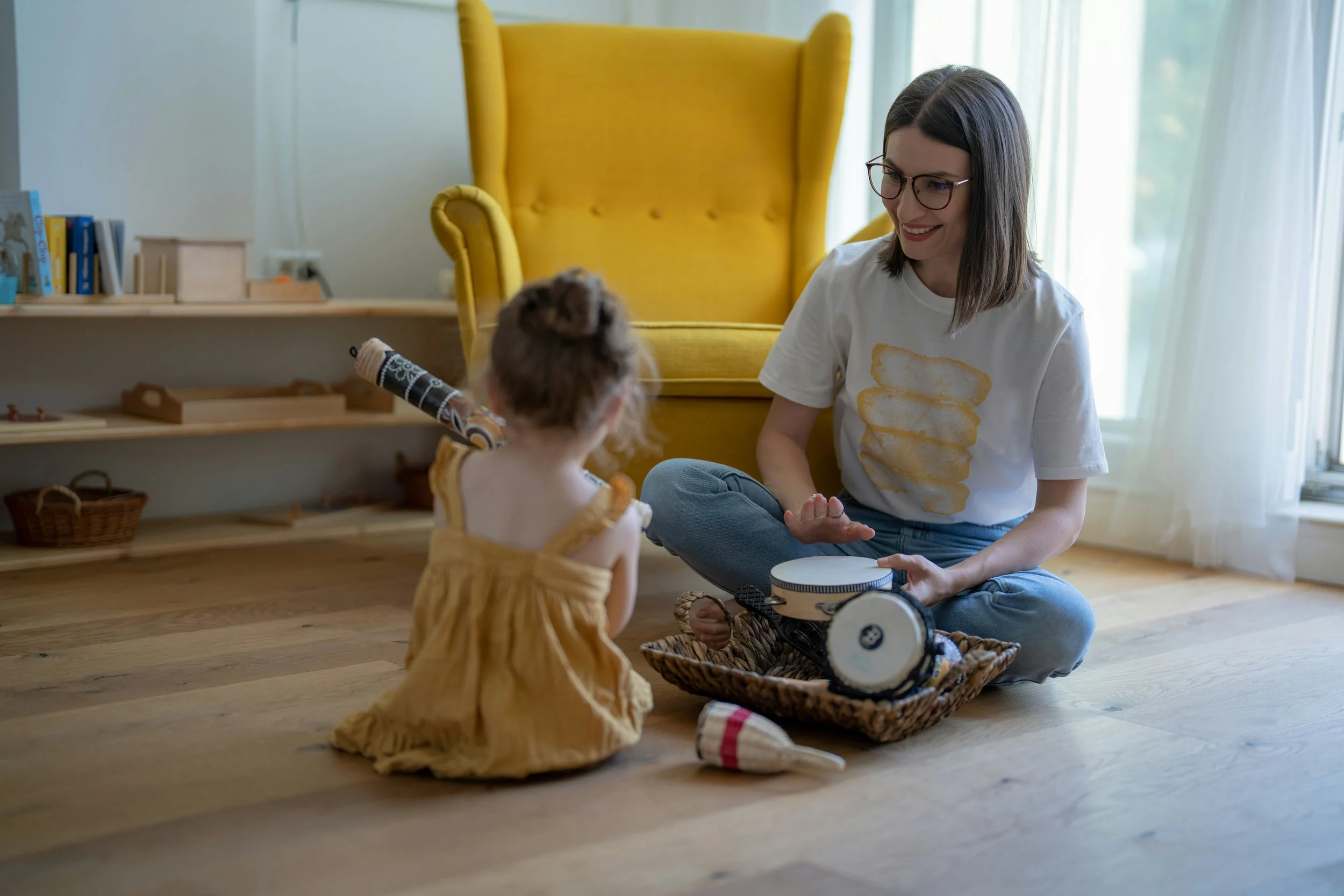
The ADOS-2 was intentionally designed to be interactive and play-based, particularly for younger children and those with limited verbal language. At Everyday Parenting Psychology, our clinicians take this design philosophy to heart. Evaluations take place in warm, thoughtfully arranged spaces that feel more like a playroom than a testing lab. Clinicians follow the child's lead, using engaging activities, bubbles, cause-and-effect toys, pretend play scenarios, picture books, to create natural opportunities for social interaction and communication. The goal is for your child to feel curious, comfortable, and genuinely engaged.
Our trauma-informed approach also means that we are attuned to signs of distress or overstimulation and adjust our pace and methods accordingly. If a child needs a break, we take one. If a particular module isn't the right fit, our clinicians have the expertise to adapt in real time while maintaining the assessment's validity. For families in NYC and Westchester, where children often arrive at our office after long commutes or busy school days, this flexibility is not incidental, it is central to how we practice. Your child's wellbeing during the evaluation is never secondary to the evaluation itself.
-
Autism can present very differently at different stages of development, and the evaluation tools and clinical approach must reflect that reality. A toddler who is not yet using words requires a fundamentally different assessment experience than a verbal, school-age child who has learned to compensate for social communication differences. At Everyday Parenting Psychology, our clinicians specialize in evaluations for children from birth through age 12, and they are deeply experienced in recognizing the diverse ways autism presents across this developmental range.
For infants and toddlers, early identification can be life-changing. Research consistently demonstrates that children who receive support during the earliest years of development, when the brain is most plastic, show the greatest gains in communication, adaptive skills, and social engagement. Our clinicians are skilled in using the ADOS-2 Toddler Module, designed for children as young as 12 months, alongside other early developmental measures. For school-age children, we assess not only core diagnostic features but also the academic, social, and emotional demands that may be revealing or concealing your child's profile.
This age-specific expertise is particularly relevant for families navigating the early intervention (EI) system or Committee on Preschool Special Education (CPSE) process in New York, as well as those seeking evaluations to inform school-based supports in Westchester County districts. Our reports are calibrated to the language and criteria these systems require, so your evaluation leads directly to the services your child needs. Whether your child is 18 months or 11 years old, our team meets them exactly where they are.
For more details about our evaluation process for specific age groups, visit our [Autism Evaluations for Toddlers & Young Children](/autism-evaluation-toddlers-young-children) and [Autism Evaluations for School-Age Children](/autism-evaluation-school-age-children) pages.
-
A diagnosis of autism is not a deficit label, it is a lens for understanding how your child experiences and interacts with the world. At Everyday Parenting Psychology, our evaluations are conducted within a neurodiversity-affirming framework, meaning we approach autism as a natural form of human variation rather than something to be "fixed." This philosophical commitment shapes every aspect of our assessment process, from the language we use in our reports to the recommendations we provide.
In practice, neurodiversity-affirming evaluation means that our clinicians are looking for your child's strengths and capacities alongside their challenges. We document not only areas where your child may need support but also the unique ways they think, create, problem-solve, and connect. Our written reports reflect this balanced perspective, and our recommendations are designed to build on your child's intrinsic strengths rather than force conformity to neurotypical standards. For families who worry that an evaluation will reduce their child to a checklist of deficits, this approach offers a fundamentally different experience.
This is especially meaningful for families in diverse, progressive communities across New York City and Westchester who are seeking clinicians whose values align with their own. Many parents come to us specifically because they want an evaluator who will see their child as a whole person, not a collection of symptoms. Our neurodiversity-affirming stance does not mean we minimize genuine challenges or withhold a diagnosis when one is warranted. It means we frame that diagnosis within a context of respect, possibility, and empowerment, so that your family leaves the process feeling informed, supported, and hopeful about your child's future.
-
The most thorough evaluation in the world provides little value if the resulting report sits in a drawer because it's incomprehensible, vague, or disconnected from the systems your family needs to navigate. At Everyday Parenting Psychology, we consider the written evaluation report to be one of the most important deliverables of the entire assessment process, and we invest significant time and care in making it genuinely useful.
Our evaluation reports are comprehensive yet readable. They include clear diagnostic impressions, a summary of all assessment data, and, critically, a detailed, individualized recommendations section that addresses your child's specific needs across home, school, and therapeutic settings. For families in New York City, this means recommendations tailored to the DOE's processes for IEP development, related services referrals, and classroom placement considerations. For Westchester families, we address district-specific support structures and CPSE/CSE requirements. We understand these systems because our clinicians work within them regularly, and we write reports that speak their language.
Beyond school-based recommendations, our reports also address therapeutic supports, such as occupational therapy, speech-language therapy, or social skills groups, and provide guidance for parenting strategies that align with your child's neurodevelopmental profile. After the evaluation, we schedule a dedicated feedback session where we walk you through every section of the report, answer your questions, and help you prioritize next steps. You will never feel like you've been handed a document and left to figure it out on your own. Our goal is to ensure that the evaluation process leads to meaningful, concrete change in your child's daily life.
Service Categories
Autism Evaluations (ADOS-2)
Comprehensive autism assessments for children from birth through 12, featuring ADOS-2 administration by formally trained clinicians. Our evaluations integrate multiple data sources, developmental history, behavioral observation, standardized testing, and parent input to provide accurate diagnosis and actionable recommendations tailored to NYC and Westchester school systems.
Neurodiversity-Affirming Therapy
Ongoing therapeutic support for autistic children and their families, emphasizing self-awareness, emotional regulation, communication skills, and identity development. Our approach celebrates neurodivergent strengths while providing practical tools to navigate challenges at home, at school, and in social settings.
ADHD Evaluation & Treatment
Expert assessment and treatment for children with ADHD, including executive functioning support, mindfulness-based strategies, and psychoeducation for families. Our clinicians are experienced in differentiating ADHD from autism and identifying co-occurring profiles that require nuanced intervention.
Parent Coaching & Family Support
Guidance for parents navigating a new diagnosis, school advocacy, and daily parenting strategies for neurodivergent children. Our parent coaching is strengths-based and compassionate, helping caregivers build confidence and connection while supporting their child's development.
Twice-Exceptional (2e) Support
Specialized services for children who demonstrate advanced intellectual abilities alongside neurodevelopmental differences such as autism or ADHD. We help families and schools understand the full picture so that gifted children with learning differences receive both challenge and support.
Our Process
Step 1: Initial Phone Consultation | We Start by Listening
Your journey begins with a brief phone consultation where we learn about your child, your concerns, and what prompted you to seek an evaluation. This is an opportunity for you to ask questions about our process, fees, timeline, and what to expect. We'll determine whether an ADOS evaluation is appropriate for your child's age and presentation and match you with the clinician best suited to your family's needs. This call typically lasts 15–20 minutes, and there is no obligation to proceed.
Step 2: Comprehensive Assessment and Evaluation
Before the in-person evaluation, we gather detailed information through parent questionnaires and a thorough developmental history interview. We'll ask about your child's early milestones, medical history, behavioral patterns, social interactions, sensory experiences, and any previous evaluations or diagnoses. With your consent, we may also request input from teachers or other providers. This step typically takes place over one to two weeks and ensures our clinician arrives at the evaluation with a deep understanding of your child.
Step 3: In-Person ADOS-2 Evaluation & Additional Assessments
Your child attends one or more in-person sessions at our NYC or Westchester office, where our trained clinician administers the ADOS-2 along with any additional cognitive, adaptive, or developmental measures indicated by your child's profile. Sessions are play-based, paced to your child's needs, and designed to feel engaging rather than clinical. Depending on the scope of the evaluation, this phase typically involves two to three sessions over one to two weeks.
Step 4: Analysis, Report Writing & Feedback Session
After all assessment data has been collected, your clinician scores and integrates the results into a comprehensive written report. This report includes diagnostic impressions, a summary of all findings, and a detailed recommendations section. We then schedule a dedicated feedback session, typically 60 to 90 minutes, where we walk you through the report in plain language, answer every question, and collaborate with you on prioritizing next steps. Reports are typically completed within two to three weeks of the final assessment session.
Step 5: Ongoing Support & Advocacy
Our relationship with your family doesn't end when the report is delivered. We're available to support you in sharing results with schools, coordinating with therapists or pediatricians, and navigating the IEP or CPSE/CSE process. If your child would benefit from ongoing therapy, whether through our practice or an outside provider, we help connect you with the right resources. For many families, this step is where the evaluation’s real impact begins.
Our Approach
At Everyday Parenting Psychology, our approach to autism evaluation is grounded in a simple but powerful belief: your child is not a diagnosis.
They are a whole person with a unique way of experiencing the world, and our job is to understand that experience deeply enough to open the right doors. Every evaluation we conduct is shaped by three commitments: clinical excellence, developmental sensitivity, and genuine respect for your family.
Clinical excellence means that we never take shortcuts. Our clinicians are formally trained in ADOS-2 administration, and they maintain their skills through ongoing professional development, peer consultation, and engagement with the latest research. We use a multi-measure assessment model because autism is complex, and no single tool captures the full picture. We integrate quantitative data with qualitative clinical observation, and we weigh all of it against the developmental context of your child's age, temperament, and life experience. This is not assembly-line assessment, it is careful, individualized clinical work.
Developmental sensitivity means that we meet your child exactly where they are. A 2-year-old who communicates through gesture and a 10-year-old who reads above grade level but struggles with peer relationships require fundamentally different evaluation strategies. Our clinicians are specialists in child development, and they adapt their methods, module selection, pacing, environmental setup, interaction style, to honor each child's developmental stage. We are also attuned to presentations that are commonly missed or misinterpreted, including autism in girls, children who mask, and twice-exceptional profiles where giftedness and neurodevelopmental differences coexist.
Respect for your family means that we treat the evaluation process as a partnership. You bring irreplaceable knowledge about your child, and we bring clinical tools and expertise. Together, we arrive at an understanding that neither of us could reach alone. We are transparent about our methods, honest in our findings, and committed to delivering results that empower your family, not overwhelm it. For families across New York City and Westchester County, we strive to be the practice you trust not only for answers, but for what comes after.
Frequently Asked Questions
Everyday Parenting Psychology was founded in 2018 by Dr. Layne Raskin and Dr. Jeanette Sawyer Cohen, two psychologists dedicated to providing compassionate, expert mental health care for families at every stage. With a team of 12 experienced clinicians, the practice serves families across New York City and Westchester County, specializing in autism evaluation, child development, maternal mental health, and family therapy. [Learn more about our team and mission](/about).
-
The complete evaluation process, from initial consultation through delivery of the written report, typically takes four to six weeks. The ADOS-2 administration itself is usually completed in a single session lasting 40 to 60 minutes, but it is part of a broader assessment that includes additional testing sessions, parent interviews, and thorough report writing. We prioritize accuracy and depth over speed, and we keep you informed at every stage. [Learn more about our full evaluation process](/autism-evaluation-school-age-children).
-
The ADOS-2 Toddler Module can be used with children as young as 12 months of age. At Everyday Parenting Psychology, we conduct ADOS-based evaluations for children from birth through age 12. Early evaluation is strongly encouraged when concerns are present, as early identification leads to earlier access to support services. Our clinicians select the appropriate ADOS module based on your child's age and language level to ensure the most accurate results.
-
We design every evaluation to be as comfortable and engaging as possible. The ADOS-2 is inherently play-based, and our clinicians are trained to follow your child's lead, take breaks when needed, and create a warm, low-pressure environment. Our trauma-informed approach means we are attentive to signs of overwhelm and adjust accordingly. Most children enjoy the sessions and leave in good spirits.
-
After we deliver and review the report with you in a dedicated feedback session, we remain available to support your family's next steps. This may include helping you share findings with your child's school, coordinating with other providers, advocating during IEP or CPSE/CSE meetings, or recommending therapeutic services. If ongoing therapy through our practice is a good fit, we can discuss that as well. The evaluation is the beginning, not the end.
-
Coverage varies by insurance plan and provider. We recommend contacting your insurance company to ask about out-of-network benefits for psychological or neuropsychological evaluation (CPT codes 96130–96133 and 96136–96139). Our office can provide the documentation needed for you to submit claims for potential reimbursement. We are happy to discuss fees and payment options during your initial consultation. [Reach out to our team](/contact) for specific questions.
Contact Us
We are here to help! Fill out the form to schedule an initial consultation. Please note that we currently have a waitlist for many of our offerings.
New York City