

Preschool Behavior Support in NYC & Westchester
Compassionate support that helps families understand what's driving behavior and build stronger connections
EVERYDAY PARENTING PSYCHOLOGY, PLLC
When your preschooler's behavior feels overwhelming, endless tantrums, aggressive outbursts, attention-seeking behavior patterns that disrupt daily life, it's natural to question whether you're doing something wrong.
The truth is, challenging behavior in preschoolers is rarely about "bad parenting" or a "difficult child." It's communication. Young children don't yet have the language or emotional regulation skills to express their needs, frustrations, or overwhelming feelings in ways adults easily understand. What looks like defiance or aggression is often a child's attempt to tell you something important.
At Everyday Parenting, we specialize in helping New York families decode what's really happening beneath preschool behavior challenges. Our team of experienced clinicians understands child development deeply and takes an approach that respects each child's unique wiring. Whether your child is struggling with typical developmental challenges or navigating emotional regulation difficulties, we provide evidence-based support that creates real, lasting change.
Serving families across New York City and Westchester County since 2018, we've helped hundreds of parents move from chaos to connection. Our approach isn't about quick fixes or behavior modification tactics that ignore underlying needs. Instead, we work collaboratively with your family to understand your child's behavior in context, identify unmet needs or lagging skills, and develop compassionate strategies that build emotional resilience, strengthen your parent-child bond, and create a calmer home environment where everyone can thrive.
Through a combination of child therapy and parent coaching, we address challenges from both sides, building your child's skills while giving you the tools to support them at home.
Preschool behavior challenges encompass a wide range of difficulties that young children ages 3-5 experience as they navigate early childhood development.
Whether you're looking for preschool behavior management strategies or support for bad behavior in kindergarten, understanding the root causes is the first step toward lasting change.
These challenges often include frequent tantrums or meltdowns, aggressive behaviors like hitting or biting, attention-seeking behavior in preschoolers and kindergarteners, difficulty following directions, problems with transitions, emotional dysregulation, and struggles with peer interactions at preschool or kindergarten.
While some challenging behavior is developmentally normal during the preschool years, persistent patterns that interfere with family functioning, learning, or social development benefit from professional support.
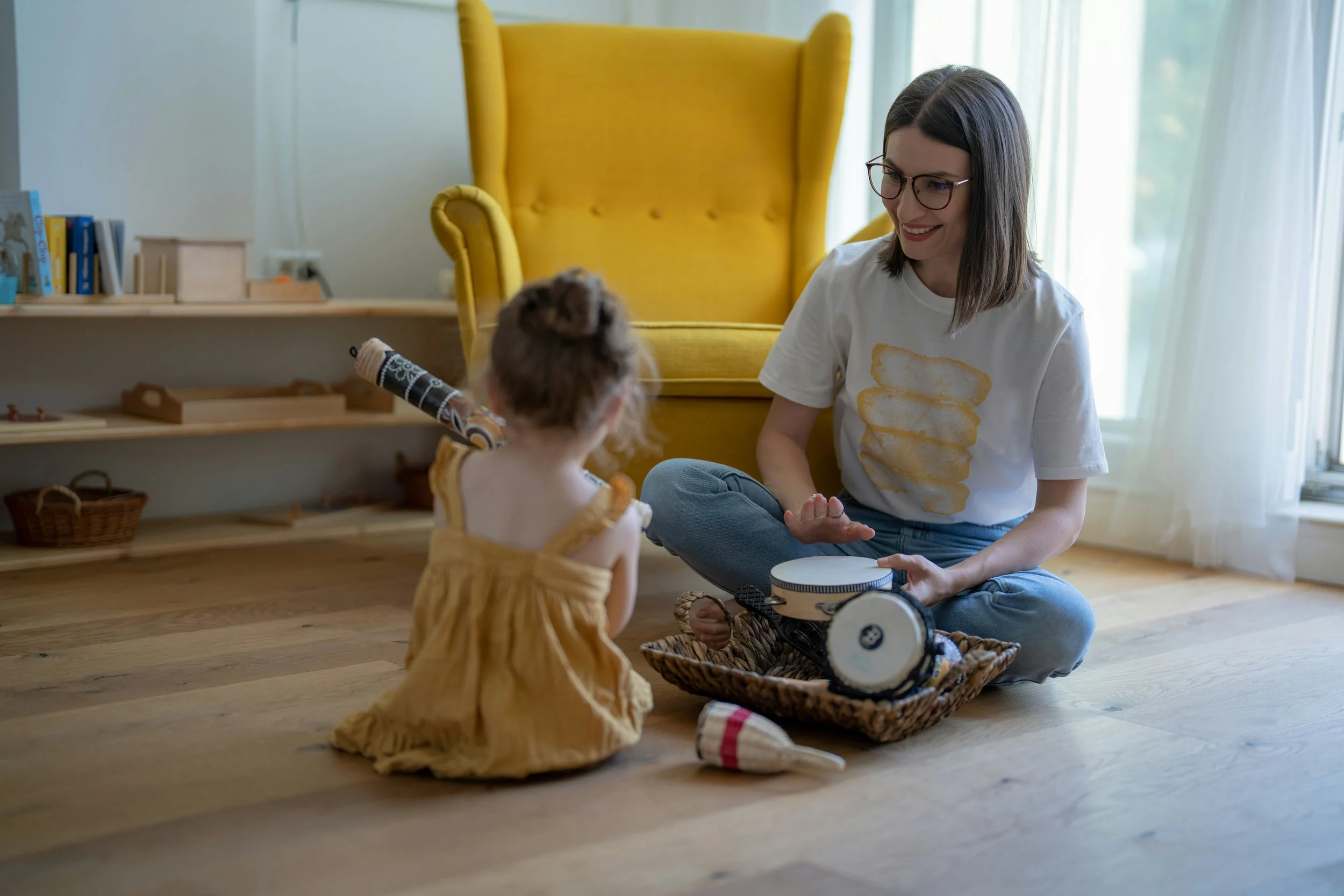
Through child therapy sessions tailored to your preschooler's developmental level, we use play-based and developmentally appropriate interventions to help your child build emotional awareness, develop coping strategies, improve communication skills, and practice problem-solving. We incorporate evidence-based approaches, including Cognitive Behavioral Therapy adapted for young children, mindfulness-based techniques, and Collaborative and Proactive Solutions that focus on building skills rather than simply managing behavior. Our therapists create a safe, nurturing space where your child can explore their feelings and practice new ways of responding to frustration, disappointment, or overstimulation.
Equally important is our parent support component, because sustainable behavior change happens when the whole family system shifts. We provide parent coaching that helps you understand your child's behavior through a developmental lens, recognize early warning signs of dysregulation, implement proactive strategies that prevent meltdowns, respond effectively during challenging moments, and build connection even during conflicts. For New York families juggling demanding schedules and the unique pressures of urban parenting, we offer flexible appointment times and telehealth options that make consistent support accessible. Our goal is to help you move from feeling overwhelmed and reactive to confident and connected, equipped with practical tools that work for your specific child and family situation.
Behavior Challenges from Preschool Through Kindergarten
The transition from preschool into kindergarten introduces new behavioral demands: longer periods of structured activity, greater expectations for peer cooperation, and less flexibility in daily routines.
For many children, this shift surfaces challenges that may not have been apparent in a less structured setting. Frequent tantrums, difficulty following multi-step directions, trouble with emotional regulation during transitions, and struggles with peer interactions are common concerns families bring to us during this developmental window. Whether a child is adjusting to new academic expectations or carrying forward patterns that began earlier, this period often marks the point where families seek professional guidance.
When Preschool Challenges Follow Your Child into School
Some children outgrow their preschool behavior challenges as their language, emotional vocabulary, and executive functioning mature. Others carry those patterns into kindergarten and beyond, and the stakes get higher. What was a meltdown in the classroom at age 4 becomes a behavioral referral at age 6.
If your child is entering or already in elementary school and still struggling with emotional regulation, peer conflicts, or behavioral outbursts, early intervention matters. The skills they build now — identifying emotions, tolerating frustration, problem-solving in the moment — become the foundation for everything that follows.
Our child therapy program works with children from preschool through adolescence, so if your child needs continued support as they grow, the transition is seamless. We also work closely with schools — with your permission, we can coordinate with teachers, participate in IEP or 504 meetings, and help ensure consistency between therapy and the classroom.
Start Your Consultation for Preschool Behavior Support
What's Behind Your Preschooler's Behavior?
When parents come to us, they usually want to know one thing: Why is my child acting this way? The answer is almost never simple, and that's actually good news, because it means there's something specific we can address. Common factors we see driving preschool behavior challenges:
Lagging skills, not bad intentions
Many preschoolers who "act out" are actually missing skills. They can't yet regulate big emotions, tolerate frustration, or shift between activities. The behavior is the symptom, not the problem.
Sensory processing differences
Some children are more sensitive to noise, touch, visual stimulation, or transitions. A chaotic preschool classroom can be genuinely overwhelming for a child whose nervous system processes sensory input differently. (Learn more about our neurodivergent-affirming approach.)
Family system stress
A new sibling, parental conflict, a move, changes in routine, preschoolers absorb family stress even when parents think they're shielding them. Our family therapy approach addresses the system, not just the child.
Anxiety showing up as behavior
Anxious preschoolers don't always look anxious. They often look angry, defiant, or rigid. Separation anxiety, social anxiety, and generalized worry can all manifest as behavioral challenges.
Temperament
Some children are born with more intense temperaments. They feel everything bigger, react faster, and take longer to come down from emotional peaks. This isn't a disorder, it's wiring. And it responds beautifully to the right support.
Communication gaps
A child who can't yet express "I'm overwhelmed" or "I need a break" will communicate those needs through their behavior instead. Our work often involves building emotional vocabulary alongside regulation skills.
During our assessment, we look at all of these factors to build a complete picture of your child. That's what allows us to create a plan that actually works, because we're treating the root cause, not just managing the surface behavior.
Meet Our Clinical Leaders
Everyday Parenting Psychology was founded in 2018 by two passionate and highly trained psychologists, Dr. Layne Raskin & Dr. Jeanette Sawyer Cohen.
Alongside our team of 12+ experienced clinicians, we bring specialized expertise in maternal mental health, child development, and behavioral support to New York City families.
Our team includes licensed clinical psychologists, licensed clinical social workers (LCSWs), and licensed mental health counselors (LMHCs), all with specialized training in child development, family therapy, and evidence-based behavioral interventions. Our clinicians hold active New York State licenses and maintain ongoing professional education in trauma-informed care, neurodivergent-affirming practices, and perinatal mental health.


Dr. Jeanette Sawyer Cohen
Dr. Layne Raskin
PsyD, MA, PMH-C, IMH-E®
PhD, MPhil, MS, PMH-C, IMH-E®
✔ Serving New York families since 2018 with specialized expertise in child development and family mental health
✔ Team of over 12 experienced, licensed clinicians specializing in child therapy, family therapy, and parent support
✔ Co-founded by Dr. Layne Raskin and Dr. Jeanette Sawyer Cohen, psychologists committed to the highest clinical standards
Key Benefits
-
Behind every tantrum, every aggressive outburst, every moment of defiance lies unmet needs or lagging skills your preschooler doesn't yet know how to communicate. Our comprehensive assessment process goes beyond surface-level behavior to identify the underlying causes, whether that's difficulty with emotional regulation, sensory sensitivities, communication challenges, or unrecognized anxiety. We take time to understand your child's unique profile, including their strengths, triggers, and developmental stage.
For New York families, this deeper understanding is transformative. Instead of cycling through behavior management strategies that feel like they're not working, you gain clarity about why your child responds the way they do. One Manhattan family we worked with spent months trying strict consequences for their four-year-old's aggressive behavior at preschool, only to discover through our assessment that sensory overwhelm in the busy classroom was triggering a fight-or-flight response. Once we identified the root cause, we could implement meaningful accommodations and teach regulation skills that actually addressed the problem.
Our approach means we never pathologize a child's natural wiring or try to force behavior patterns onto children. Instead, we help you understand how your child experiences the world and what supports they need to thrive. This foundation of understanding changes everything; it shifts you from feeling frustrated and powerless to feeling equipped and compassionate, even during challenging moments.
-
We help you build routines that support effective preschool behavior management, create calm-down spaces in limited square footage, communicate with preschool and kindergarten teachers about your child's needs, and respond effectively during public meltdowns when you're navigating the subway or grocery store. Generic parenting advice rarely works for families dealing with significant preschool behavior challenges. What helps one child might escalate another's behavior. That's why we take a personalized, evidence-based approach that draws from proven therapeutic modalities, including Cognitive Behavioral Therapy, Collaborative and Proactive Solutions, mindfulness-based interventions, and attachment-focused strategies, all adapted for your preschooler's developmental level and your family's specific circumstances.
Our clinicians are experts in translating complex therapeutic concepts into practical strategies that New York parents can actually implement in real life. We don't just tell you what to do; we practice together, troubleshoot challenges, and adjust approaches based on what's working. For families in fast-paced New York City, we understand you need strategies that fit into demanding schedules, small urban apartments, and the realities of preschool or daycare requirements. We help you build routines that prevent behavior problems, create calm-down spaces in limited square footage, communicate with teachers about your child's needs, and respond effectively during public meltdowns when you're navigating the subway or grocery store.
One Westchester family we worked with was struggling with their daughter's explosive tantrums during morning transitions. Through parent coaching, we identified that unpredictability was triggering her anxiety and worked together to create a visual schedule, build in transition warnings, and teach her age-appropriate coping skills. Within weeks, morning chaos transformed into manageable routines. The strategies we teach aren't about perfect parenting; they're about building your confidence, strengthening the connection with your child, and creating sustainable change that grows with your family.
-
Parenting a child with significant behavior challenges is exhausting and isolating. You might feel judged by other parents, criticized by family members, or overwhelmed by conflicting advice. You've probably questioned whether you're a good parent, worried about your child's future, and felt alone in your struggles. At Everyday Parenting, we provide a different experience, one rooted in compassion, respect for your family's values, and recognition that you're doing your best under challenging circumstances.
Our team of 12 experienced clinicians creates a non-judgmental therapeutic space where parents can share their struggles honestly without shame. We understand the unique pressures New York families face, the intensity of living in a fast-paced city, the high expectations of competitive preschool environments, and the isolation that can come despite being surrounded by millions of people. Whether you're in Manhattan, navigating playground politics and selective preschools, or in Westchester, balancing suburban family life with demanding work commutes, we recognize the context your family is operating within.
This compassionate approach extends to how we view your child. We never see challenging behavior as "bad" or your child as "difficult." Instead, we approach every family with curiosity and respect, believing that children do well when they can. When lagging skills or unmet needs are addressed, behavior improves. This strengths-based philosophy means we work collaboratively with you rather than positioning ourselves as experts who have all the answers. You know your child best, and we provide the clinical expertise, evidence-based strategies, and supportive partnership that helps you trust your instincts and parent with confidence.
-
Many preschoolers with challenging behavior have underlying difficulties with emotional and behavioral regulation that stem from developmental differences, sensory processing challenges, anxiety, or executive functioning weaknesses. Traditional behavior management approaches that rely solely on consequences or rewards often fail to address these root causes, or worse, damage a child's self-esteem and their relationship with caregivers. Our specialized approach recognizes that children who struggle with regulation need targeted skill-building and environmental modifications, not simply stricter discipline.
We help New York families understand the underlying mechanisms driving their child's behavioral challenges through comprehensive assessment and observation. Whether your child has an existing diagnosis or you're noticing that managing emotions and behavior seems significantly harder for them than for peers, we provide clarity and actionable guidance. Our clinicians are trained in regulation difficulties, anxiety in young children, and executive functioning challenges, offering strategies that address your child's specific needs rather than applying generic behavioral techniques.
For preschoolers with regulation challenges, this might mean sensory accommodations that prevent meltdowns before they start, visual supports that aid emotional understanding and transitions, executive functioning strategies adapted for young children, and social-emotional skill building that matches their developmental level. We help families in New York's demanding preschool landscape advocate for appropriate classroom accommodations, communicate effectively with educators about regulation needs, and build home environments where children can practice self-regulation successfully. Our goal is fostering your child's growing capacity for self-control, emotional awareness, and adaptive coping while building the foundational skills they need to manage increasing demands as they grow.
If your child's challenges seem connected to sensory processing differences or neurodevelopmental factors, our neurodivergent-affirming approach ensures they receive support that respects their unique wiring. We also offer comprehensive developmental assessments when families want a clearer picture of what's driving their child's behavior. -
Preschool behavior challenges don't exist in isolation, they're influenced by and impact your entire family system. Sibling relationships become strained. Parental stress escalates. Co-parenting disagreements intensify. The whole family can get stuck in negative cycles where everyone is reactive and disconnected. Our family therapy services address these systemic patterns, helping your family develop healthier communication, mutual understanding, and collaborative problem-solving that benefits everyone.
We work with New York families to identify patterns that might be contributing to behavior challenges, perhaps inconsistent responses between caregivers, parental anxiety that heightens a child's dysregulation, or sibling dynamics that trigger aggressive behavior. Through family therapy sessions, we create space for every family member's experience to be heard and validated. We teach communication skills that reduce conflict, help parents get on the same page with behavior strategies, support siblings who might feel overlooked, and rebuild connection when relationships have been damaged by months or years of behavioral challenges.
This family-centered approach is particularly valuable for New York families navigating complex dynamics, divorced or separated parents working on co-parenting consistency, blended families integrating different parenting styles, or families where demanding work schedules have eroded quality connection time. One Upper West Side family we worked with was stuck in a pattern where their son's tantrums led to parental arguments, which increased household stress, which triggered more tantrums. Through family therapy, we helped them break this cycle, develop united responses to challenging behavior, and create rituals of connection that strengthened their whole family's resilience.
-
Accessing quality mental health care for preschool behavior challenges shouldn't add more stress to your already overwhelming situation. That's why Everyday Parenting offers flexible service delivery designed for busy New York families. Our two office locations, in Manhattan at 330 West 58th Street and in Westchester at 280 North Central Ave in Hartsdale, provide convenient access whether you're in the city or the suburbs. We also offer comprehensive telehealth services for New York families statewide, as well as those in New Jersey, Connecticut, and Florida.
For families managing demanding work schedules, preschool pickups, and the logistical complexity of New York life, telehealth can be a game-changer. Your child can participate in therapy from the comfort of home, where they're most relaxed, eliminating stressful commutes and parking challenges. Parent coaching sessions via telehealth mean you don't have to take time off work or arrange childcare. We've found that many preschoolers actually engage beautifully in teletherapy when therapists use developmentally appropriate activities, and parents appreciate the convenience and consistency it allows.
Our team of over a dozen experienced clinicians means we can typically accommodate new families within a reasonable timeframe and offer appointment flexibility that works with your schedule. We understand that inconsistency derails progress, so we prioritize making therapy accessible and sustainable for your family. Whether you prefer in-person sessions for hands-on support, appreciate the convenience of telehealth, or want a combination of both, we create a service plan that maximizes your family's engagement and success.
Service Categories
Child Therapy
Individual therapy sessions are designed specifically for preschool-aged children experiencing behavioral, emotional, or developmental challenges. Using play-based interventions, age-appropriate CBT techniques, and mindfulness strategies, we help young children develop emotional regulation skills, expand their ability to communicate needs and feelings, build frustration tolerance, and practice problem-solving. Our child therapists create safe, engaging spaces where preschoolers can explore their emotions and learn new ways of responding to challenging situations through activities that feel natural and fun to them. Learn More →
Family Therapy
Comprehensive family therapy services that address the systemic patterns contributing to or impacted by your preschooler's behavior challenges. We work with the whole family to improve communication, develop consistent responses to challenging behavior, strengthen parent-child attachment, support sibling relationships, and create a home environment that promotes everyone's emotional well-being. Family therapy is particularly valuable when behavior challenges have created tension between caregivers, when siblings are struggling, or when family dynamics seem to be reinforcing difficult patterns. Learn More →
Collaborative & Proactive Solutions (CPS)
An evidence-based approach focused on collaboratively solving problems with your child rather than using rewards and consequences to control behavior. CPS recognizes that children do well when they can, and persistent behavior challenges indicate lagging skills in areas like flexibility, frustration tolerance, or problem-solving. We teach parents how to identify the skills their child is lacking, involve children in finding solutions to recurring problems, and build skills proactively rather than waiting for meltdowns. This approach dramatically reduces power struggles while teaching children valuable life skills.
Parent Support & Coaching
Specialized parent coaching focused on helping caregivers decode behavior in preschoolers, implement effective strategies, respond skillfully during challenging moments, and build confidence in their parenting. Through collaborative sessions, we provide education about child development and behavior, teach specific techniques like Collaborative and Proactive Solutions, help you create structure and routines that prevent problems, and offer ongoing support as you practice new approaches. Parent coaching empowers you to become the expert on your own child while having professional guidance when you need it. Learn More →
Our Process
Step 1: Initial Consultation - Start With a Free, No-Pressure Conversation
Your journey begins with a free initial consultation where we take time to understand your family's specific situation, your preschooler's behavior challenges, what you've already tried, and what you're hoping to achieve. This is a no-pressure conversation where you can ask questions, share your concerns, and get a sense of our approach and whether we're the right fit for your family. We recognize that reaching out for help can feel vulnerable, so we prioritize creating a welcoming, judgment-free experience from your very first contact. During this consultation, which typically lasts 20-30 minutes, we'll discuss your child's challenges, explain our assessment process, answer questions about therapy approaches and logistics, and help you determine appropriate next steps. This initial conversation can happen by phone or video, whichever you prefer, and there's no obligation to move forward.
Step 2: Comprehensive Assessment - Understand the Complete Picture
If you decide to move forward, we conduct a thorough assessment to understand what's really driving your child's behavior challenges. This typically involves 2-3 sessions and includes clinical interviews with parents to gather developmental history and understand family context, observation and interaction with your child using developmentally appropriate play-based assessment, evaluation of emotional regulation capacity, communication skills, and social development. We take a holistic approach that looks at your child's strengths alongside areas of challenge, examines family patterns and dynamics, and considers environmental factors that might be contributing. The assessment process usually takes 2-3 weeks and concludes with a feedback session where we share our findings, explain our understanding of what's happening, and provide clear recommendations.
Step 3: Personalized Treatment Planning - Create Your Family's Roadmap
Based on assessment findings, we collaborate with you to create a personalized treatment plan tailored to your child's specific needs and your family's goals. This isn't a one-size-fits-all approach; we consider your child's developmental stage, your family's values and priorities, practical constraints like schedules and logistics, and what approaches are most likely to resonate with your specific child. Your treatment plan might include individual child therapy sessions, parent coaching or support sessions, family therapy to address systemic patterns, consultation with preschool or other providers, or referrals for additional evaluations if needed. We discuss frequency of sessions, expected duration of treatment, specific goals we're working toward, and how we'll measure progress. You're an active partner in this planning process, and the plan remains flexible as we learn what works best for your family.
Step 4: Therapy Sessions - Build Skills & Create Change
With a clear plan in place, we begin regular therapy sessions focused on creating meaningful, sustainable change. For child therapy sessions, we use play-based and developmentally appropriate interventions that help your preschooler build emotional awareness and regulation skills, develop communication and problem-solving abilities, practice coping strategies for frustration and disappointment, and strengthen their sense of security and confidence. Sessions are engaging and feel natural to young children while targeting specific skill development. Simultaneously, parent support sessions equip you with an understanding of what's driving behavior, practical strategies for preventing and responding to challenges, confidence in your parenting decisions, and ongoing support as you implement new approaches. Most families attend weekly sessions initially, with frequency adjusted based on progress and needs. We maintain regular communication between sessions and adjust our approach based on what's working.
Step 5: Follow-Up & Progress Review - Ensure Lasting Success
Throughout treatment and as you near your goals, we conduct regular progress reviews to assess how things are improving, celebrate successes and skill development, identify any remaining challenges or new concerns, and adjust the treatment plan as needed. We believe in building your family's capacity to handle challenges independently, so as progress solidifies, we often transition to less frequent sessions and eventually to maintenance check-ins. Some families continue with monthly or quarterly sessions for ongoing support through new developmental stages. Others graduate from regular therapy but know they can return if new challenges emerge. We provide clear communication with other providers, like preschool teachers, when appropriate, resources and referrals for continued support, and celebration of the hard work your family has invested in creating change. Our goal is to equip you with tools and confidence that last long after therapy ends.
Our Approach
Our approach to preschool behavior challenges is rooted in deep respect for child development and family systems.
We believe that challenging behavior is communication; it's how young children tell us about unmet needs, lagging skills, or overwhelming experiences they don't yet have the language to express. When we work with families navigating behavior in preschoolers, we start by asking what a child is trying to communicate rather than focusing solely on the behavior itself.
When we founded Everyday Parenting in 2018, one of the things that struck us was how hard it was for families to find clinicians trained in early childhood. Most therapists didn't see children under five; they weren't trained that way. We built our practice around that gap, hiring clinicians with deep expertise in infant and early childhood mental health, because we know that the preschool years are when intervention has the biggest impact.
Every clinician on our team meets a simple standard: we wouldn't refer our own families to someone we wouldn't hire. That bar means something; it means the person working with your three-year-old has the specialized training, the clinical supervision, and the temperament to do this work at the highest level.
Rather than viewing difficult behavior as something to eliminate or control, we approach it with curiosity, asking "What is this child trying to communicate?" and "What skills does this child need to develop?"
This fundamental shift in perspective transforms how families understand and respond to behavioral challenges.
We integrate evidence-based therapeutic approaches, including Cognitive Behavioral Therapy adapted for young children, mindfulness-based interventions that build awareness and regulation capacity, Collaborative and Proactive Solutions that focus on skill-building rather than behavior modification, and attachment-focused strategies that strengthen the parent-child relationship. Our philosophy means we never pathologize or try to make children conform to certain expectations. Instead, we work to understand each child's unique wiring, identify the supports and accommodations they need to thrive, and build on their inherent strengths while addressing genuine skill gaps.
We also recognize that lasting change happens at the family system level, not just with the individual child. The patterns of interaction between family members, parental responses to challenging behavior, stress levels in the home, and the quality of attachment relationships all influence a child's behavior. That's why our approach is fundamentally family-centered and collaborative. We work in partnership with parents, respecting your expertise about your own child while offering our clinical knowledge and evidence-based strategies. We help you understand the why behind your child's behavior, develop consistent and compassionate responses, create environmental structures that prevent problems, and build the strong, secure relationship that is the foundation for all emotional and behavioral development.
For New York families navigating the unique challenges of urban parenting, demanding work schedules, competitive preschool environments, small living spaces, and the intensity of city life, we adapt our approaches to fit your reality. We understand the pressures you face and work to provide strategies that are actually sustainable within your family's context. Our ultimate goal is not just behavior change, but helping your family move from feeling overwhelmed and reactive to feeling connected and confident, equipped with understanding and tools that support your child's healthy development and your family's well-being for years to come.
Frequently Asked Questions
Everyday Parenting has been supporting New York families through every stage of the parenting journey since 2018. Co-founded by psychologists Dr. Layne Raskin and Dr. Jeanette Sawyer Cohen, our practice has grown to a team of over a dozen experienced clinicians specializing in maternal mental health, child development, family therapy, and individual care. We serve families across New York City, Westchester County, and provide online therapy throughout New York, New Jersey, Connecticut, and Florida.
-
Some challenging behavior is absolutely normal during the preschool years as children develop emotional regulation skills, test boundaries, and navigate growing independence. However, professional support is beneficial when behavior is significantly impacting family functioning or your child's well-being, persists despite consistent parenting approaches, involves frequent aggression that's dangerous to the child or others, includes intense tantrums lasting beyond what's typical for their age, or is accompanied by other concerning signs like developmental delays, extreme anxiety, or regression in previously mastered skills. If you're consistently feeling overwhelmed, other caregivers like preschool teachers are expressing concern, or your instinct tells you something needs attention, a consultation can provide clarity and peace of mind, even if intensive treatment isn't needed.
-
Parent coaching focuses on equipping you with understanding, strategies, and confidence to address your child's behavior challenges. Sessions are with parents (without the child present) and include education about child development and behavior patterns, learning specific intervention techniques, practicing responses to challenging situations, and ongoing support as you implement new approaches at home. Child therapy involves direct work with your child to help them develop emotional regulation skills, communication abilities, and coping strategies. Many families benefit from both approaches simultaneously. Child therapy builds your preschooler's internal capacities while parent coaching helps you create the environmental supports and responses that allow those skills to flourish. During our assessment, we'll recommend the combination that makes the most sense for your family's specific situation.
-
Absolutely. We specialize in supporting young children who experience challenges with managing big emotions, behavioral difficulties, or developmental concerns around self-control and flexibility. Whether your child has difficulty with transitions, frequent meltdowns, anxiety, sensory sensitivities, or seems to struggle more than peers with emotional regulation, we have clinicians with specialized training in early childhood development and regulation challenges. Our approach focuses on understanding what drives your child's behavioral patterns and building foundational regulation skills during this critical developmental window. We can conduct developmental assessments if you're seeking clarity about your child's needs, provide targeted interventions that strengthen emotional and behavioral regulation, help you advocate for appropriate preschool support and accommodations, and offer parent education about understanding and responding to your child's specific regulation challenges. Our goal is to help preschoolers develop the self-regulation skills they need for success in school and social settings while supporting their individual developmental trajectory.
-
Treatment length varies significantly based on the complexity of challenges, family factors, and how quickly your child develops new skills. Some families see meaningful improvement within 8-12 weeks of consistent therapy and parent coaching, particularly when challenges are situational or related to a specific transition. More complex situations, especially those involving significant trauma history or deeply entrenched family patterns, may benefit from longer-term support over 6-12 months or more. During our assessment and treatment planning process, we'll discuss realistic timeframes for your specific situation. We regularly review progress and adjust treatment duration as needed, always to build your family's capacity to handle challenges independently.
-
Yes, collaboration with your child's preschool or daycare can be very helpful for creating consistency across environments. With your permission, we can communicate with teachers to share insights about your child's needs and effective strategies, provide consultation about classroom accommodations or approaches, help you advocate for appropriate supports, and ensure that everyone working with your child has a shared understanding. This collaboration is particularly valuable when behavior challenges are occurring primarily at school or when a child requires specific environmental supports. New York City's diverse preschool landscape means we have experience working with various types of programs, from play-based to academic, public to private. We understand the systems and can help you navigate conversations about your child's needs effectively.
-
It depends on frequency, intensity, and impact. Occasional tantrums, testing limits, and emotional outbursts are all normal parts of preschool development. What shifts behavior from "typical" to "worth investigating" is when it's happening most days, lasting longer than you'd expect, significantly disrupting family life or school, or not improving despite consistent parenting strategies. If you're asking this question, it's worth a conversation. Our free 15-minute consultation can help you sort out whether your child would benefit from professional support or whether you just need some reassurance.
-
Yes. With your permission, we regularly collaborate with preschools, daycares, and kindergarten programs across New York City and Westchester. This might include consulting with teachers about effective classroom strategies, sharing insights about your child's needs (with appropriate boundaries), helping you advocate for accommodations, or coordinating on behavior plans. Consistency between home, school, and therapy makes a significant difference in how quickly children develop new skills.
Related Services & Resources
→ Related Services
Child Therapy— Comprehensive therapy for children ages 3–18
Parent Coaching — One-on-one guidance from licensed psychologists
Family Therapy — Strengthen communication and repair family dynamics
Neurodivergent Therapy — Affirming support for children with ADHD, autism, and sensory differences
Tantrum & Meltdown Support — Specialized help for intense emotional outbursts
Developmental Assessments — Understand what's driving your child's behavior
Contact Us
We are here to help! Fill out the form to schedule an initial consultation. Please note that we currently have a waitlist for many of our offerings.
New York City